
Livraison avant Noël : commandez jusqu’au lundi 14/12 en standard ou mercredi 16/12 en express Free delivery from 250€ for France
Filter by
Region
Domain
Designation
Vintage
Format
Color
Price
€ €
Filter

Your questions, our answers.

What are the differences between the two appellations offered by Champy?

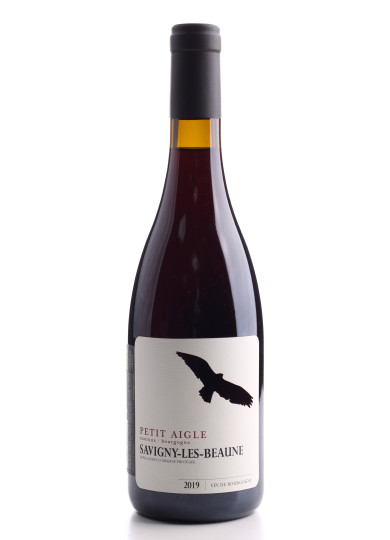
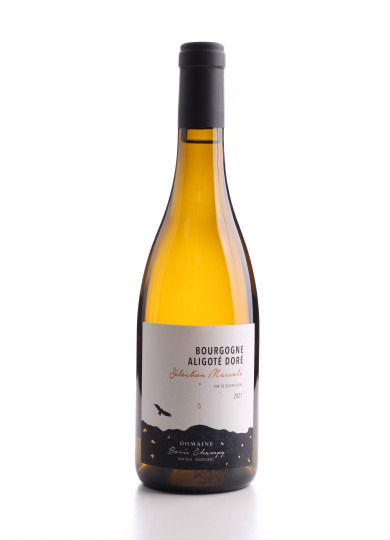
Bourgogne Aligoté 2021 Boris Champy is a regional appellation white wine, while Savigny-les-Beaune Petit Aigle 2019 Boris Champy is a village appellation red wine. For a first discovery, the choice therefore depends as much on the color as on the appellation level.

What style cues can help you choose between the white and the red?

The estate’s description characterizes its whites as delicate and fresh, with notes of white-fleshed fruit, white flowers, and minerality. It describes its reds as having red and black fruit, spices, and silky tannins. However, these general indications are not tasting notes specific to the two wines offered.

Can you compare the 2019 and 2021 vintages in this selection?

The 2019 vintage is represented solely by the red Savigny-les-Beaune Petit Aigle, and the 2021 by the white Bourgogne Aligoté. The color and appellation therefore change along with the vintage, so these two bottles do not allow you to isolate the effect of the vintage.

Which wine in this selection might you consider for a meal featuring fish or poultry?

For fish, Bourgogne Aligoté 2021 is a suitable option given the freshness described for the estate’s white wines. For poultry, Savigny-les-Beaune Petit Aigle 2019 offers a chance to explore the red wine range. These suggestions are based on the general pairings mentioned for the estate, without specifying how the dishes are prepared.

Which producer name should you look for among the wines in the CHAMPY category?

Both wines are listed under the name Boris Champy: Bourgogne Aligoté 2021 and Savigny-les-Beaune Petit Aigle 2019. This is therefore the name to look for to identify the producer in this selection, despite the category’s shorter title.
Notes Parker

Le barème établi par Robert Parker évalue les vins sur une échelle allant de 50 à 100 points afin d’aider les consommateurs à choisir leurs bouteilles. La grille de notation est la suivante :


96 à 100 Une cuvée grandiose : niveau exceptionnel.

90 à 95 Belle complexité aromatique, bel équilibre : niveau excellent.

80 à 89 Grande intensité aromatique, finesse et équilibre : bon niveau.

70 à 79 Plaisant, peu de complexité : niveau moyen.

60 à 69 Quelques défauts perceptibles : niveau très moyen.

50 à 59 Détection de défauts, manque d'équilibre : niveau acceptable.