

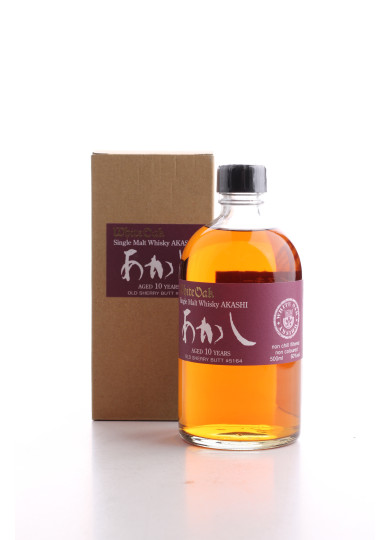
1 item in stock
1 product
Japanese spirits are globally renowned for their refinement, aromatic balance, and precision. Combining tradition and innovation while respecting their terroir, Japan offers an exceptional selection of whiskies, gins, vodkas, and liqueurs crafted with outstanding quality and authenticity.
The varied Japanese terroir, with its temperate climate and diverse landscapes, greatly influences the quality of raw materials. Distilleries often nestled in mountainous, cool regions produce whiskies aged in carefully selected oak barrels, resulting in subtle notes of fruit, honey, flowers, and spices. Japanese gins stand out by using local botanicals such as yuzu, sakura (cherry blossom), and green tea, imparting freshness and originality.
Japanese whiskies are distinguished by great finesse, remarkable purity, and complex aromas that appeal to connoisseurs. Their silky texture and long, harmonious finish provide an elegant tasting experience. Japanese gins delight with fresh, floral bursts, while liqueurs embody a perfect balance of sweetness, finesse, and authenticity.
Japanese spirits can be enjoyed neat, on the rocks, or in refined cocktails. Pair a Japanese whisky with crispy tempura, delicate sashimi, or mild cheeses like Brie. The fresh and floral notes of Japanese gins complement grilled fish dishes or yuzu-based salads. For liqueurs, opt for delicate desserts such as Japanese pastries or light dark chocolate.
At achetezduvin.fr, we carefully select these Japanese spirits for their excellence and ability to showcase the finest of Japanese artisanal craftsmanship. Explore our exclusive range of refined Japanese whiskies, gins, and liqueurs, all available with fast delivery and expert service to enhance your cellar or offer a premium gift.






Ban on the sale of alcoholic beverages to minors under 18 years of age
Proof of majority of the buyer is required at the time of online sale
Le barème établi par Robert Parker évalue les vins sur une échelle allant de 50 à 100 points afin d’aider les consommateurs à choisir leurs bouteilles. La grille de notation est la suivante :
96 à 100 Une cuvée grandiose : niveau exceptionnel.
90 à 95 Belle complexité aromatique, bel équilibre : niveau excellent.
80 à 89 Grande intensité aromatique, finesse et équilibre : bon niveau.
70 à 79 Plaisant, peu de complexité : niveau moyen.
60 à 69 Quelques défauts perceptibles : niveau très moyen.
50 à 59 Détection de défauts, manque d'équilibre : niveau acceptable.