

1 item in stock
1 product
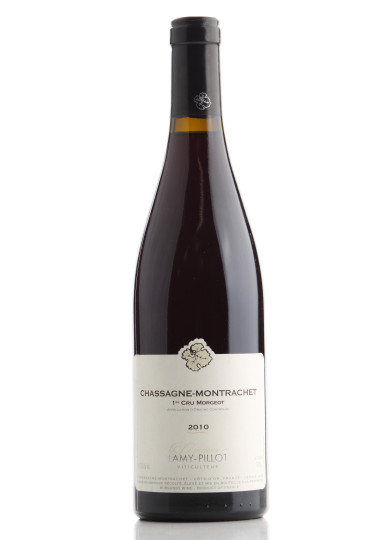
Domaine Lamy-Pillot is a historic family estate located in the heart of the village of Chassagne-Montrachet, in the Côte de Beaune. Led by the Lamy family, the estate manages an impressive vineyard spanning prestigious appellations such as Chassagne-Montrachet, Saint-Aubin, and Santenay. Their philosophy is based on rigorous vineyard work and precise vinification techniques aimed at highlighting the purity of fruit and the distinctive minerality of Burgundian terroirs.
The estate’s terroir consists mainly of limestone-rich clay soils, including areas with rolled pebbles. These ideal conditions alongside a temperate climate favor the cultivation of emblematic grape varieties such as Chardonnay for white wines and Pinot Noir for reds. Domaine Lamy-Pillot benefits from diverse terroirs that fully express the unique character of each appellation.
The estate’s white wines, made from Chardonnay, are distinguished by a perfect balance of power, richness, and crystalline freshness. The red wines, crafted from Pinot Noir, combine finesse, elegance, and structure with excellent aging potential. The Premier Crus and Grand Crus, particularly the Criots-Bâtard-Montrachet, exemplify the estate’s quality and consistency.
Domaine Lamy-Pillot wines excellently complement refined cuisine. The whites pair wonderfully with Époisses cheese, lobster with butter, or a mushroom risotto. The reds are ideal with beef fillet, coq au vin, or a mature goat cheese.
Discover our exclusive selection of Domaine Lamy-Pillot wines on achetezduvin.fr. Enjoy secure delivery and a carefully curated cellar chosen by our sommeliers to enrich your collection with exceptional crus.






Ban on the sale of alcoholic beverages to minors under 18 years of age
Proof of majority of the buyer is required at the time of online sale
Le barème établi par Robert Parker évalue les vins sur une échelle allant de 50 à 100 points afin d’aider les consommateurs à choisir leurs bouteilles. La grille de notation est la suivante :
96 à 100 Une cuvée grandiose : niveau exceptionnel.
90 à 95 Belle complexité aromatique, bel équilibre : niveau excellent.
80 à 89 Grande intensité aromatique, finesse et équilibre : bon niveau.
70 à 79 Plaisant, peu de complexité : niveau moyen.
60 à 69 Quelques défauts perceptibles : niveau très moyen.
50 à 59 Détection de défauts, manque d'équilibre : niveau acceptable.