Free delivery from 250€ for France
Filter by
Region
Domain
Designation
Vintage
Format
Color
Price
€ €
Filter

Your questions, our answers.

How do you choose between the JG Benda and Shun Minowa subcategories in Tuscany?

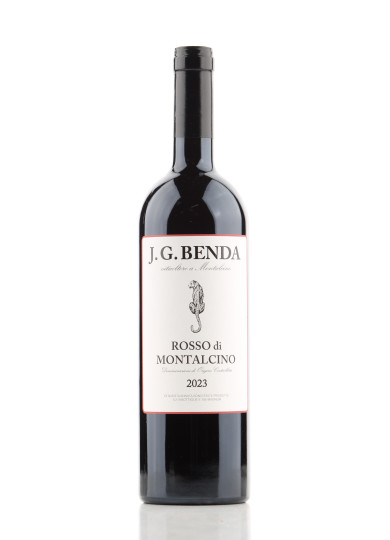
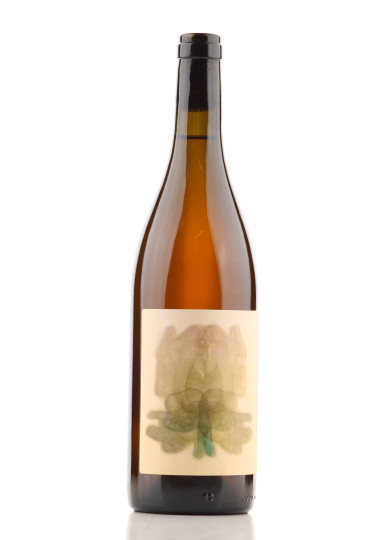
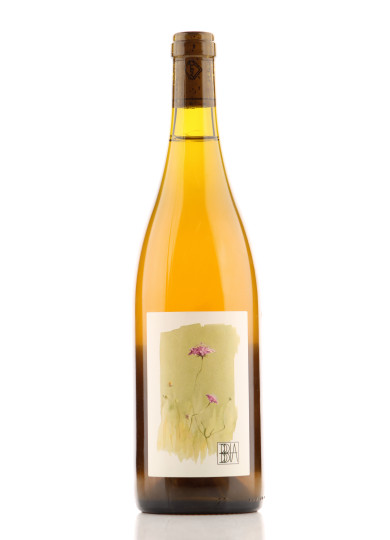
JG Benda brings together the selection’s three reds: Rosso di Montalcino, Brunello Di Montalcino, and Pietrafocaia Di Sopra. Shun Minowa brings together the two whites, Collaboration and Jaî Garu Deva, both from the 2023 vintage.

Which wines should you choose to discover the appellations of Montalcino?

Two bottles from JG Benda bear these appellations: Rosso di Montalcino 2023 and Brunello Di Montalcino 2021. They offer a way to explore two distinct appellations, but also two different vintages, so a comparison between them is not based on appellation alone.

What distinguishes the two Shun Minowa white wines?

Collaboration 2023 is listed under the VINO BIANCO appellation, while Jaî Garu Deva 2023 is listed under the Jaî Garu Deva designation. They share the same estate, color, and vintage; the information provided does not allow them to be compared by taste profile.

Which duo should you choose for a first taste of Tuscany in red and white?

JG Benda Rosso di Montalcino 2023 and Shun Minowa Collaboration 2023 offer a way to discover both estates and both colors from the same vintage. Jaî Garu Deva 2023 can replace Collaboration to make up this duo.

Is Brunello Di Montalcino the only 2021 red in this selection?

No, JG Benda Pietrafocaia Di Sopra is also a 2021 red. So the vintage and estate alone are not enough to choose between these two wines: here, they are distinguished by their designation.
Notes Parker

Le barème établi par Robert Parker évalue les vins sur une échelle allant de 50 à 100 points afin d’aider les consommateurs à choisir leurs bouteilles. La grille de notation est la suivante :


96 à 100 Une cuvée grandiose : niveau exceptionnel.

90 à 95 Belle complexité aromatique, bel équilibre : niveau excellent.

80 à 89 Grande intensité aromatique, finesse et équilibre : bon niveau.

70 à 79 Plaisant, peu de complexité : niveau moyen.

60 à 69 Quelques défauts perceptibles : niveau très moyen.

50 à 59 Détection de défauts, manque d'équilibre : niveau acceptable.