Livraison avant Noël : commandez jusqu’au lundi 14/12 en standard ou mercredi 16/12 en express Free delivery from 250€ for France
Filter by
Region
Domain
Designation
Vintage
Format
Color
Price
€ €
Filter

Your questions, our answers.

Do Clos Naudin and Vouvray refer to the same thing?

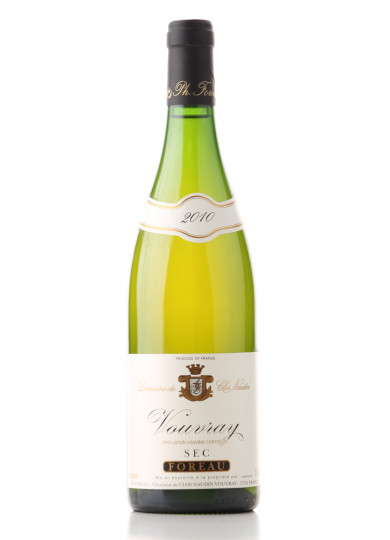
Clos Naudin is the name of the estate, located in the Loire Valley, while Vouvray is the appellation of the wine featured. The Vouvray Sec 2010 Foreau Clos Naudin brings these two designations together in a single bottle.

What role does the Foreau family play at Clos Naudin?

The estate is run by Philippe Foreau, who inherited a family tradition passed down through three generations. His approach is described as rigorous in the vineyard and rooted in respect for nature.

Why choose this Vouvray to discover Chenin Blanc?

Chenin Blanc lies at the heart of Clos Naudin’s identity, and the Vouvray Sec 2010 offers a dry expression of the grape. The estate’s description mentions notes of quince, pear and citrus, along with a chalky minerality, without specifically detailing the tasting profile of this vintage.

What style does the Vouvray Sec 2010 represent in the Clos Naudin range?

It represents the dry style of an estate that also produces off-dry, medium-sweet and sweet wines in exceptional years. This category focuses solely on this 2010 white wine, in a 75 cl bottle, and therefore does not offer an overview of all these styles.

What menu should you serve with the Vouvray Sec 2010 from Clos Naudin?

The pairings suggested for the estate’s dry wines are river fish, white meats in sauce and aged goat’s cheeses. These are the pairings to prioritize for this bottle, rather than foie gras or fruit tarts, which are associated with the sweet wines in the description.
Notes Parker

Le barème établi par Robert Parker évalue les vins sur une échelle allant de 50 à 100 points afin d’aider les consommateurs à choisir leurs bouteilles. La grille de notation est la suivante :


96 à 100 Une cuvée grandiose : niveau exceptionnel.

90 à 95 Belle complexité aromatique, bel équilibre : niveau excellent.

80 à 89 Grande intensité aromatique, finesse et équilibre : bon niveau.

70 à 79 Plaisant, peu de complexité : niveau moyen.

60 à 69 Quelques défauts perceptibles : niveau très moyen.

50 à 59 Détection de défauts, manque d'équilibre : niveau acceptable.