Livraison avant Noël : commandez jusqu’au lundi 14/12 en standard ou mercredi 16/12 en express Free delivery from 250€ for France
Filter by
Region
Domain
Designation
Vintage
Format
Color
Price
€ €
Filter

Your questions, our answers.

Which wine should I choose for a first introduction to Domaine Larue in this category?

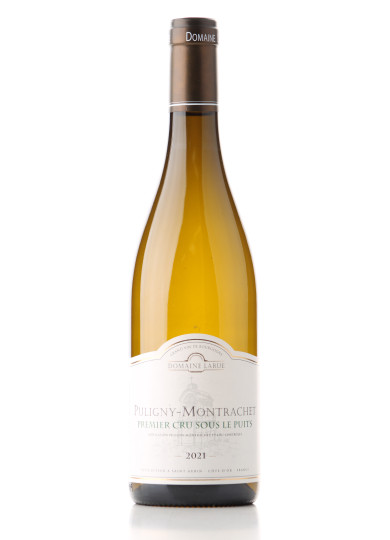
The category features a single wine: Domaine Larue’s 2021 Puligny-Montrachet 1er Cru Sous le Puit. It is a white Burgundy, offered in a 75 cl bottle, so this introduction focuses on this appellation and vintage.

Why is Domaine Larue associated with Saint-Aubin when the wine featured is a Puligny-Montrachet?

Saint-Aubin is the village where the estate is located, in the heart of the Côte de Beaune. The 2021 Sous le Puit comes from the Puligny-Montrachet appellation, so it is important to distinguish the estate’s location from the wine’s appellation.

What aromatic characteristics can you expect from Domaine Larue’s white wines?

The estate’s white wines are made from Chardonnay and are described as having a mineral backbone, aromas of white flowers, citrus and fresh almond, with subtle buttery notes. These descriptions apply to the general style of Larue’s white wines and are not specific tasting notes for the 2021 Sous le Puit.

What menu could you plan around Domaine Larue’s 2021 Puligny-Montrachet Sous le Puit?

Sole fillet, scallops or poultry in a cream sauce are fitting options based on the suggested pairings for the estate’s white wines. These suggestions can help you plan a dinner around the only wine featured, without assuming any additional characteristics of the 2021 vintage.

Can you compare Larue’s Premier Crus from Saint-Aubin, Chassagne-Montrachet and Puligny-Montrachet here?

The estate’s description mentions white Premier Crus from all three appellations. However, this category features only the 2021 Puligny-Montrachet 1er Cru Sous le Puit, so it does not allow for a comparison of these different terroirs based on the wines presented.
Notes Parker

Le barème établi par Robert Parker évalue les vins sur une échelle allant de 50 à 100 points afin d’aider les consommateurs à choisir leurs bouteilles. La grille de notation est la suivante :


96 à 100 Une cuvée grandiose : niveau exceptionnel.

90 à 95 Belle complexité aromatique, bel équilibre : niveau excellent.

80 à 89 Grande intensité aromatique, finesse et équilibre : bon niveau.

70 à 79 Plaisant, peu de complexité : niveau moyen.

60 à 69 Quelques défauts perceptibles : niveau très moyen.

50 à 59 Détection de défauts, manque d'équilibre : niveau acceptable.