Livraison avant Noël : commandez jusqu’au lundi 14/12 en standard ou mercredi 16/12 en express Free delivery from 250€ for France
Filter by
Region
Domain
Designation
Vintage
Format
Color
Price
€ €
Filter

Your questions, our answers.

Do Alexandre Parigot and Domaine Parigot refer to the same estate?

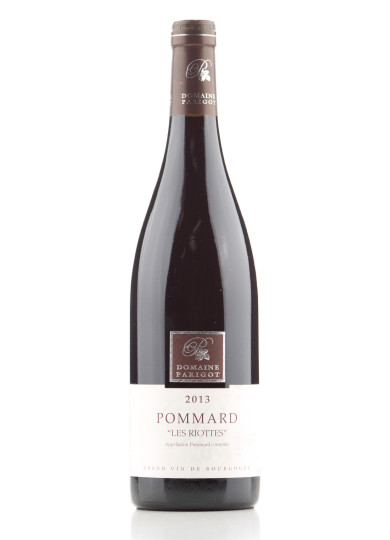
Yes, the presentation uses both names for the same Burgundy family estate. The Pommard Les Riottes Parigot 2013 is the wine featured here.

Why is the estate located in Meloisey when the wine bears the Pommard appellation?

Meloisey, in the Hautes-Côtes de Beaune, is where the Alexandre Parigot estate is based. Pommard is the wine’s appellation: an estate’s location and the appellation of its wines are two distinct pieces of information.

How should I interpret the name “Pommard Les Riottes Parigot 2013”?

Pommard indicates the appellation, Les Riottes is the cuvée name, and Parigot is the estate. The vintage is 2013; the information provided does not specify a classification for Les Riottes.

Is the Pommard Les Riottes Parigot 2013 suitable for a dinner featuring beef bourguignon?

Beef bourguignon is among the recommended pairings for Alexandre Parigot wines. This red Pommard is therefore a suitable choice for the meal, although no pairing specifically for the 2013 vintage is detailed.

Is Les Riottes a Chardonnay like the whites mentioned in the presentation of Alexandre Parigot?

No, the Pommard Les Riottes Parigot 2013 is a red wine, and should be associated with the Pinot Noir wines described in the estate’s presentation. Chardonnay is associated there with the white wines, particularly Meursault, not with this cuvée.
Notes Parker

Le barème établi par Robert Parker évalue les vins sur une échelle allant de 50 à 100 points afin d’aider les consommateurs à choisir leurs bouteilles. La grille de notation est la suivante :


96 à 100 Une cuvée grandiose : niveau exceptionnel.

90 à 95 Belle complexité aromatique, bel équilibre : niveau excellent.

80 à 89 Grande intensité aromatique, finesse et équilibre : bon niveau.

70 à 79 Plaisant, peu de complexité : niveau moyen.

60 à 69 Quelques défauts perceptibles : niveau très moyen.

50 à 59 Détection de défauts, manque d'équilibre : niveau acceptable.