

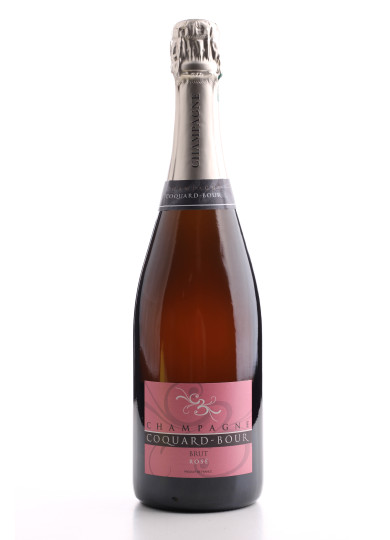
2 items in stock
2 products
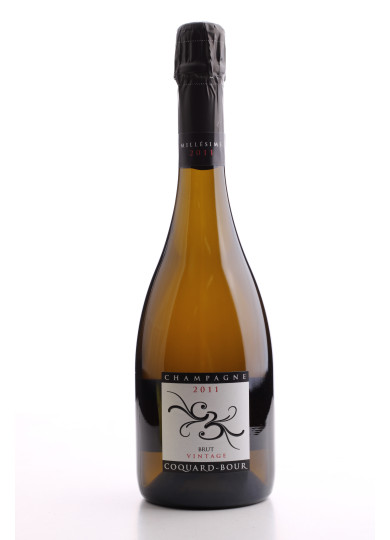
The Coquard-Bour Champagne, located in Teurthéville-Hague in the heart of the Marne Valley, is a family-run estate that has preserved artisanal expertise passed down through generations. This distinguished house values an authentic approach where respecting the vine’s natural cycle and highlighting the fruit are paramount. Rooted in the exceptional clay-limestone terroir of the Marne, the Coquard-Bour family pays special attention to the Meunier grape variety, which provides their cuvées with characteristic roundness and richness.
The vineyards of the Marne Valley benefit from rich clay and limestone soils, offering an ideal foundation for sustainable, reasoned viticulture. Coquard-Bour adheres to environmentally respectful methods, with careful cultivation promoting vineyard health. Traditional vinification is central to their philosophy, allowing the pure expression of fruit and the finesse of delicate bubbles that characterize their elegant and well-balanced Champagnes.
Coquard-Bour champagnes are marked by their consistent balance, combining generous fruitiness, delicate bubbles, and a fresh spring-like vibrancy. Whether classic blends or more distinctive cuvées, these sparkling wines offer a rich and indulgent aromatic palette, ideal for lovers of authentic and warm effervescent wines.
These champagnes pair excellently with refined dishes such as:
Discover the exclusive selection of Coquard-Bour Champagnes at achetezduvin.fr, where our passionate sommeliers assist you in choosing the perfect bottle. Benefit from our secure delivery service to enrich your cellar with exceptional wines, perfect for any occasion.





Ban on the sale of alcoholic beverages to minors under 18 years of age
Proof of majority of the buyer is required at the time of online sale
Le barème établi par Robert Parker évalue les vins sur une échelle allant de 50 à 100 points afin d’aider les consommateurs à choisir leurs bouteilles. La grille de notation est la suivante :
96 à 100 Une cuvée grandiose : niveau exceptionnel.
90 à 95 Belle complexité aromatique, bel équilibre : niveau excellent.
80 à 89 Grande intensité aromatique, finesse et équilibre : bon niveau.
70 à 79 Plaisant, peu de complexité : niveau moyen.
60 à 69 Quelques défauts perceptibles : niveau très moyen.
50 à 59 Détection de défauts, manque d'équilibre : niveau acceptable.