

3 items in stock
26 products
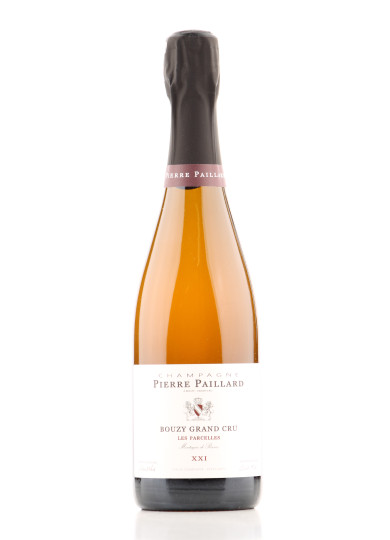
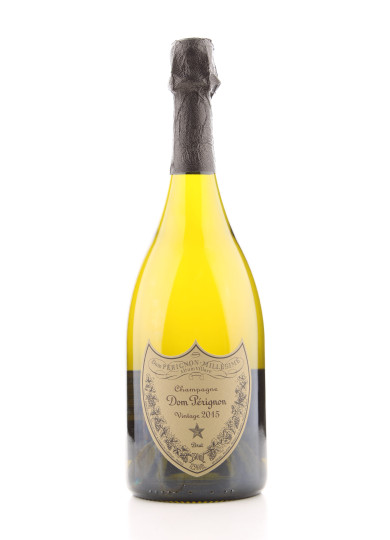
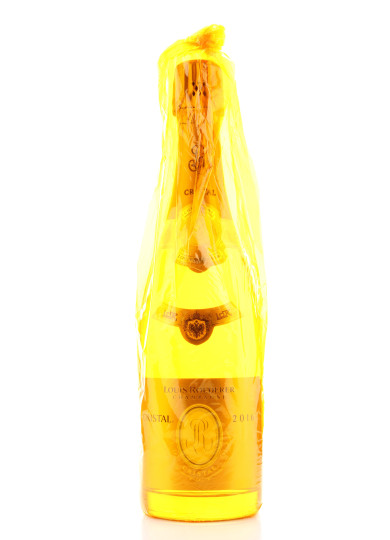
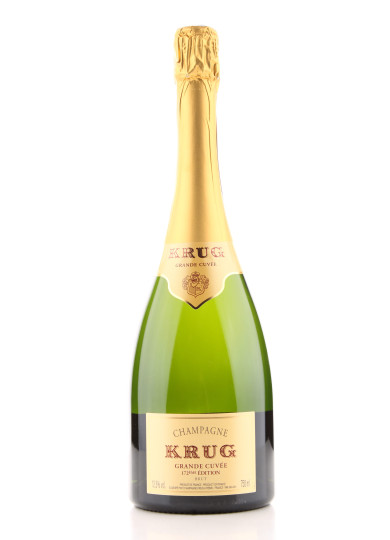
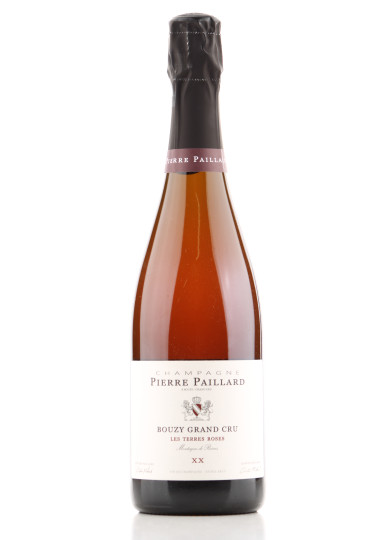
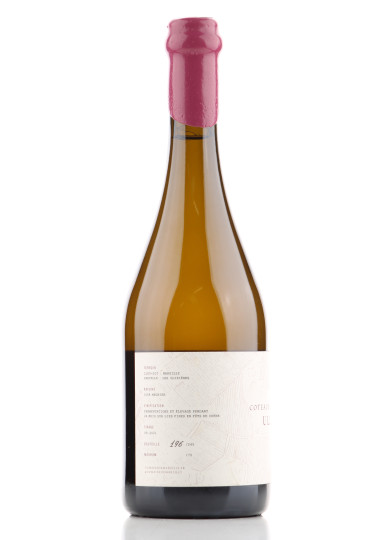
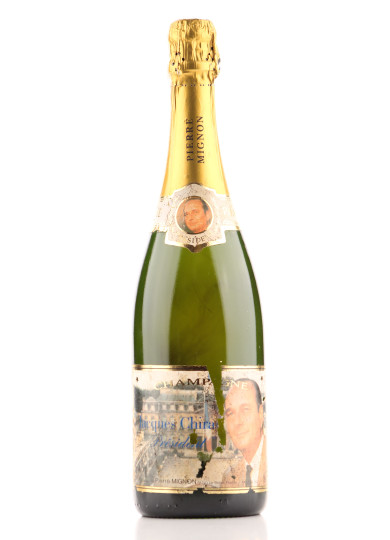
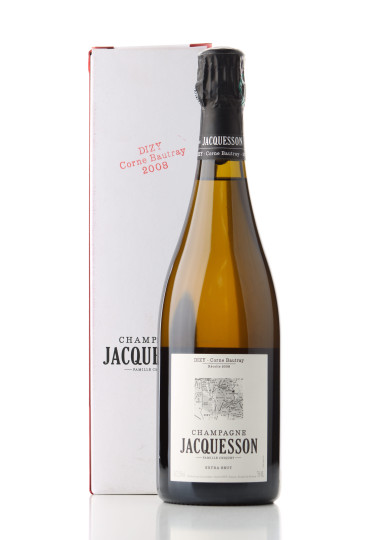
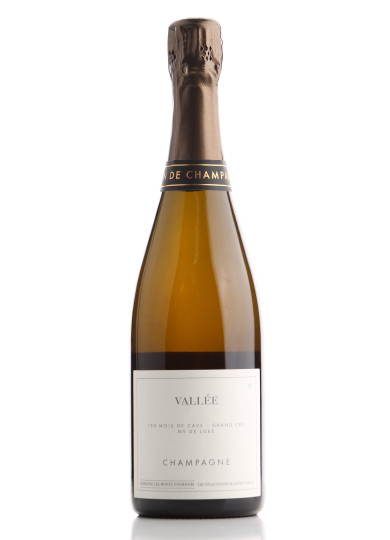
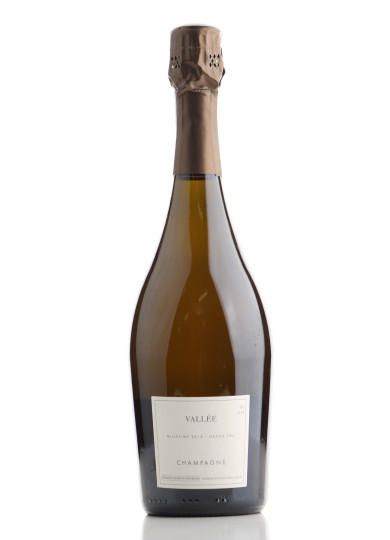
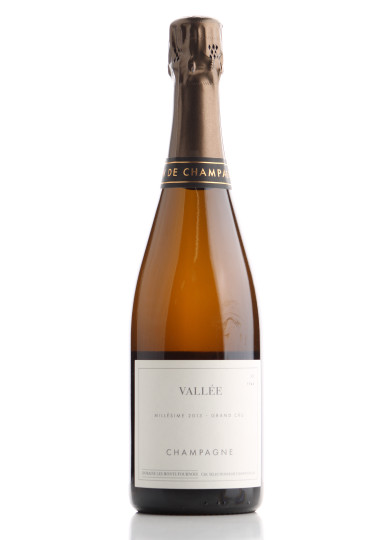
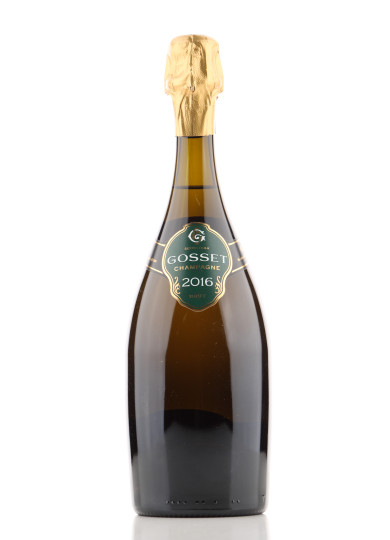
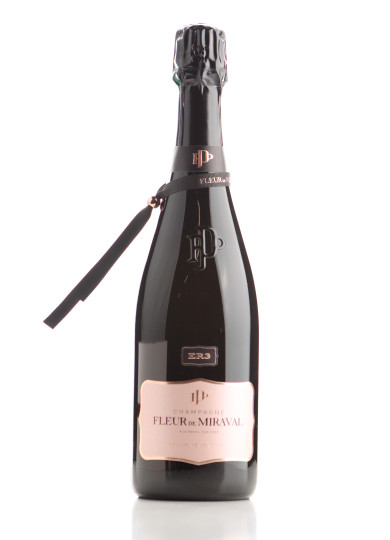
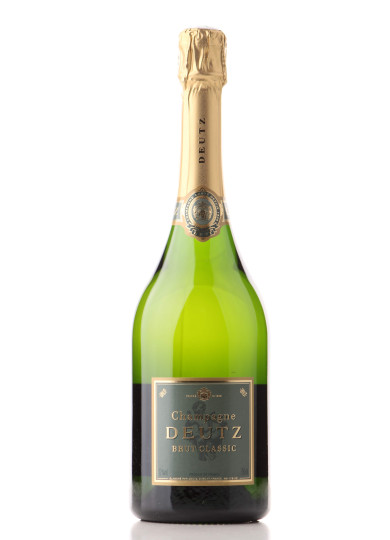
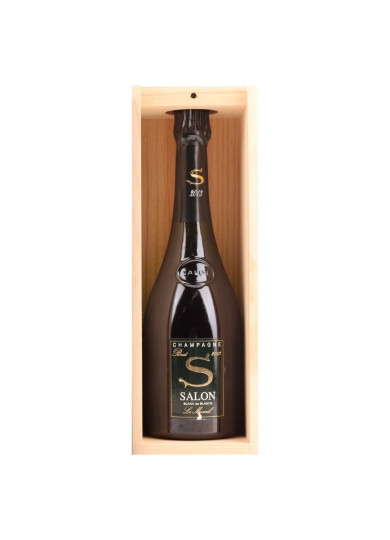
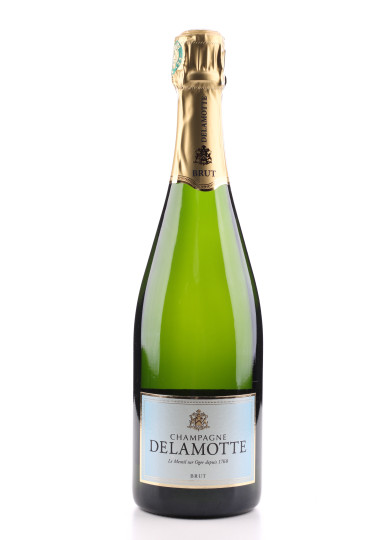
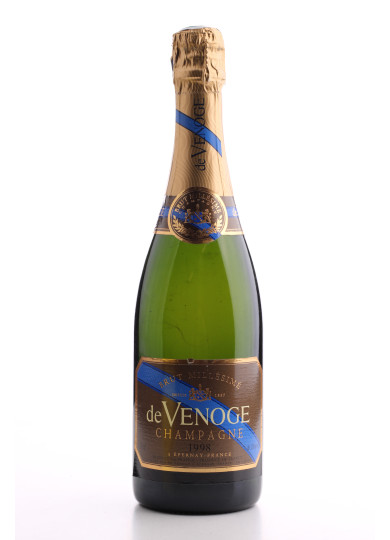
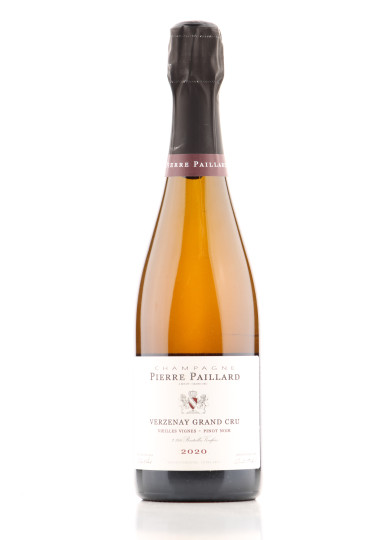
Champagne is much more than a wine: it is a universal symbol of celebration, elegance, and French craftsmanship. Located in the north-east of France, this unique vineyard is the only one in the world authorized to carry this prestigious name. Its fame rests on an exceptional terroir with a chalky subsoil providing vines with perfect thermal and water regulation, as well as an unmatched saline minerality.
The Champagne vineyard is divided into four main areas: the Montagne de Reims, the Vallée de la Marne, the Côte des Blancs and the Côte des Bar. Each region expresses the personality of the three main grape varieties: Pinot Noir for structure, Meunier for fruitiness and roundness, and Chardonnay for finesse and elegance. This geographical and varietal diversity guarantees complex aromas and consistent richness.
Champagne wines are characterized by delicate bubbles, fine mousse, and complex aromas ranging from floral notes to white fruits, almonds, and sometimes spices. The style varies from very dry, especially in Brut Champagnes, to richer cuvées, including elegant Rosé Champagnes. Aging on lees also provides unique depth and a creamy texture.
Champagne pairs perfectly with festive appetizers, seafood such as oysters or smoked salmon, sauced poultry dishes, and certain aged cheeses like Brie or Chaource. It also matches well with light fruit-based desserts or marzipan treats.
Discover our wide selection of authentic Champagnes, from historic renowned houses to passionate independent winemakers. achetezduvin.fr offers secure delivery and expert sommeliers to help enrich your cellar.






Ban on the sale of alcoholic beverages to minors under 18 years of age
Proof of majority of the buyer is required at the time of online sale
Le barème établi par Robert Parker évalue les vins sur une échelle allant de 50 à 100 points afin d’aider les consommateurs à choisir leurs bouteilles. La grille de notation est la suivante :
96 à 100 Une cuvée grandiose : niveau exceptionnel.
90 à 95 Belle complexité aromatique, bel équilibre : niveau excellent.
80 à 89 Grande intensité aromatique, finesse et équilibre : bon niveau.
70 à 79 Plaisant, peu de complexité : niveau moyen.
60 à 69 Quelques défauts perceptibles : niveau très moyen.
50 à 59 Détection de défauts, manque d'équilibre : niveau acceptable.