Livraison avant Noël : commandez jusqu’au lundi 14/12 en standard ou mercredi 16/12 en express Free delivery from 250€ for France
Filter by
Region
Domain
Designation
Vintage
Format
Color
Price
€ €
Filter

Your questions, our answers.

What characterizes the style of wines from Domaine Dujac?

The estate stands out for its use of whole-cluster vinification, combined with floral and spicy expression. The description also highlights the wines’ elegance, the finesse of their tannins and their persistence, with a balance between power and delicacy.

Which appellation should you start with to discover Dujac in this selection?

The 2018 Bourgogne Pinot Noir offers an introduction through the regional appellation. The 2022 Chambolle-Musigny is a way to discover the estate through a village appellation. As these two bottles are from different vintages, comparing them is not solely a matter of appellation.

Which two white Premier Crus does Dujac offer?

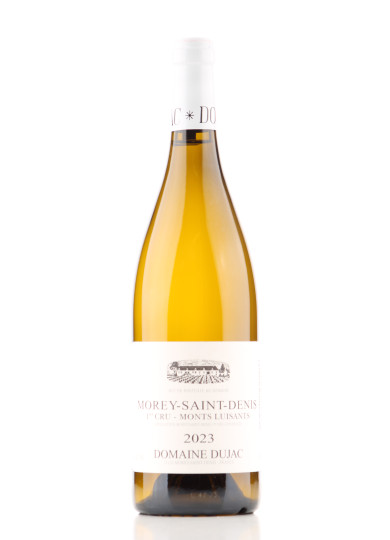
The selection includes the 2022 Puligny-Montrachet 1er Cru Les Combettes and the 2023 Morey-Saint-Denis 1er Cru Clos des Monts Luisants. They offer a chance to explore two distinct appellations and climats, both white and classified as Premier Cru. The information provided does not allow their differences in taste to be specified.

How do Aux Combottes and Clos de la Roche compare among Dujac’s red wines?

The 2022 Gevrey-Chambertin Aux Combottes is a Premier Cru, while the 2023 Clos de la Roche is a Grand Cru. They therefore differ in appellation, classification and vintage. Classification alone does not make it possible to determine which one will best suit your tastes.

Are all the bottles in this category from Dujac?

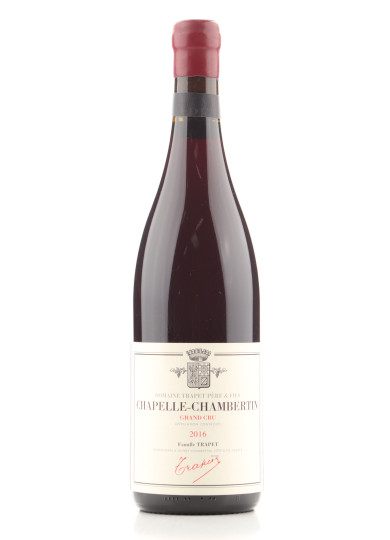
No: six of the seven wines are from Domaine Dujac. The 2023 Chapelle-Chambertin Grand Cru is from Jean-Louis Trapet; for a comparison focused exclusively on Dujac, it should therefore be distinguished from the rest of the selection.
Notes Parker

Le barème établi par Robert Parker évalue les vins sur une échelle allant de 50 à 100 points afin d’aider les consommateurs à choisir leurs bouteilles. La grille de notation est la suivante :


96 à 100 Une cuvée grandiose : niveau exceptionnel.

90 à 95 Belle complexité aromatique, bel équilibre : niveau excellent.

80 à 89 Grande intensité aromatique, finesse et équilibre : bon niveau.

70 à 79 Plaisant, peu de complexité : niveau moyen.

60 à 69 Quelques défauts perceptibles : niveau très moyen.

50 à 59 Détection de défauts, manque d'équilibre : niveau acceptable.