

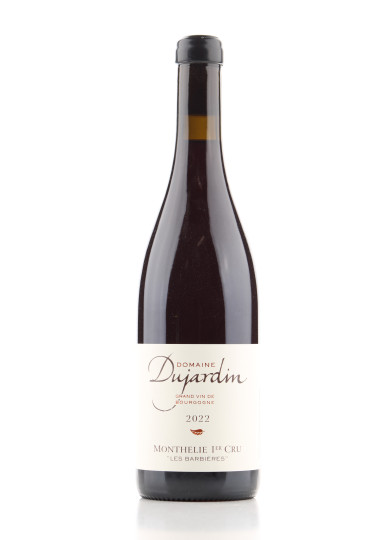
1 item in stock
9 products
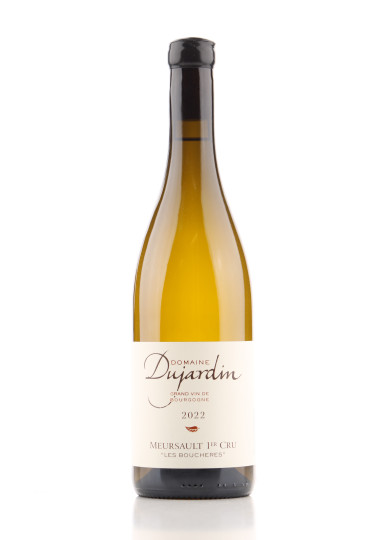
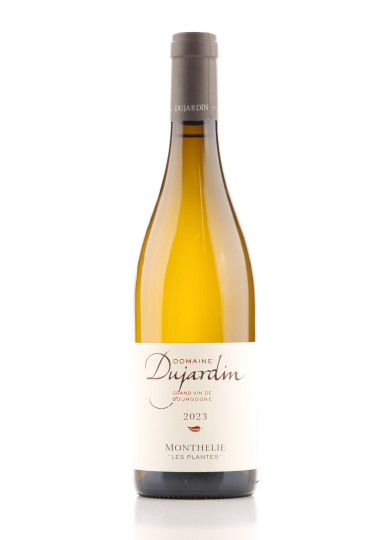
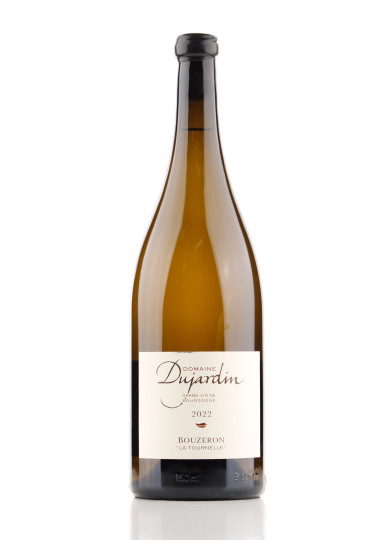
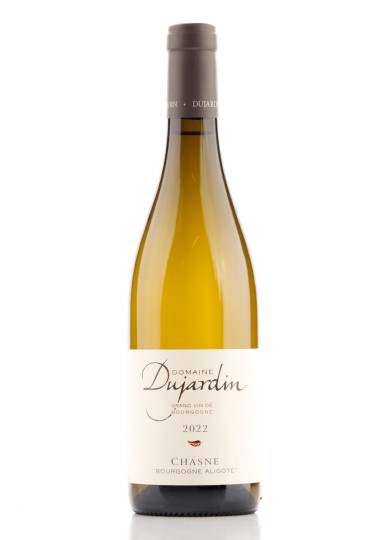
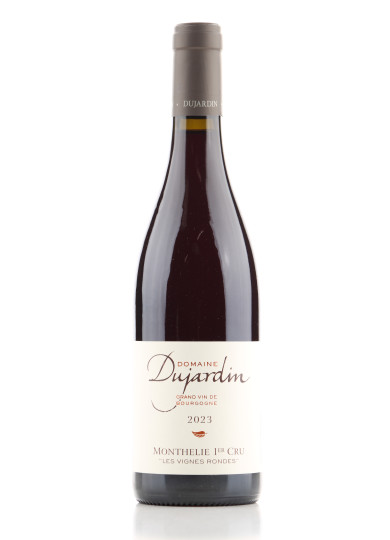
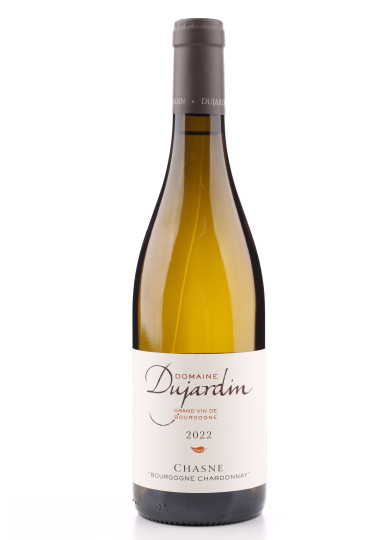
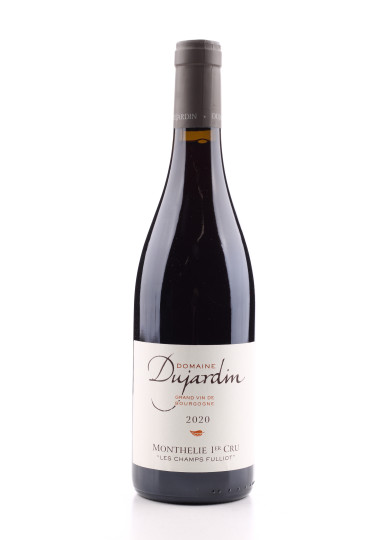
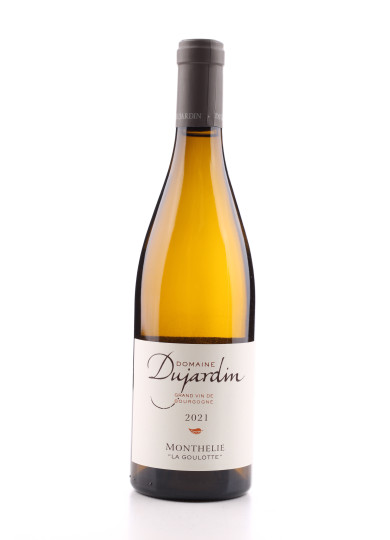
Domaine Dujardin is a family-run estate located in the heart of Monthélie, a prestigious village in the Côte de Beaune region of Burgundy. For several generations, the passionate family has cultivated its vineyards with great care and respect, covering varied and quality terroirs including Monthélie, Meursault, Auxey-Duresses, Beaune, and Puligny-Montrachet. This small-scale estate stands out for its artisanal approach where every step from vineyard to bottling is carefully managed to preserve the expression of the fruit.
The vineyards benefit from exceptional terroirs characterized by diverse clay-limestone soils and moderate exposures, providing rich aromatic complexity and unique structure to the wines. Specialized in Pinot Noir, the estate produces elegant red wines with delicate aromas of red berries. It also excels in crafting generous and mineral whites from Chardonnay. These quality terroirs of Burgundy allow for balanced and refined cuvées where grape variety and soil identity fully express themselves.
The red wines are distinguished by their elegance and fine tannins, offering fresh red fruit aromas and a pleasant length. The whites, marked by minerality and roundness, reveal floral and buttery notes typical of great Burgundian Chardonnays. The Monthélie Premier Cru cuvées are particularly sought after for their finesse, balance, and attractive value, suitable for aging or immediate enjoyment.
Domaine Dujardin wines pair wonderfully with gourmet dishes: a chicken with vin jaune sauce complements a fresh white, while a œuf en meurette brings out the flavors of a fruity red. For cheeses, an Époisses or aged Comté pairs perfectly with both red and white cuvées, offering a harmonious balance and rich tasting experience.
Explore our exclusive Domaine Dujardin selection on achetezduvin.fr with fast delivery and careful packaging. Our online cellar, guided by expert sommeliers, offers you a unique opportunity to discover the nobility of Burgundy terroirs through authentic and characterful wines.






Ban on the sale of alcoholic beverages to minors under 18 years of age
Proof of majority of the buyer is required at the time of online sale
Le barème établi par Robert Parker évalue les vins sur une échelle allant de 50 à 100 points afin d’aider les consommateurs à choisir leurs bouteilles. La grille de notation est la suivante :
96 à 100 Une cuvée grandiose : niveau exceptionnel.
90 à 95 Belle complexité aromatique, bel équilibre : niveau excellent.
80 à 89 Grande intensité aromatique, finesse et équilibre : bon niveau.
70 à 79 Plaisant, peu de complexité : niveau moyen.
60 à 69 Quelques défauts perceptibles : niveau très moyen.
50 à 59 Détection de défauts, manque d'équilibre : niveau acceptable.