

2 items in stock
1 product
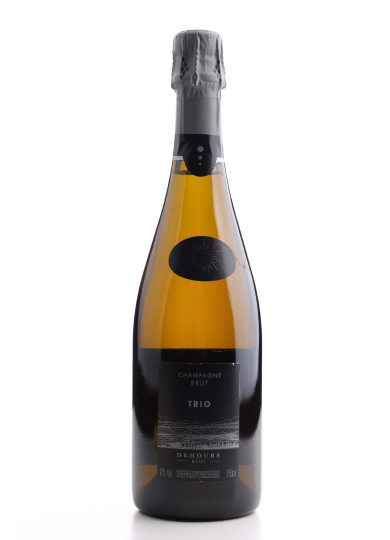
Domaine Dehours & Fils, located in Mareuil-le-Port in the Marne Valley, is renowned for producing distinctive, refined champagnes. Led by Jérôme Dehours, the estate specializes in highlighting the Pinot Meunier, a key grape variety of the region, elevated through a meticulous plot-by-plot approach. The vineyard management emphasizes environmental respect, enhancing biodiversity and the quality of the chalky-clay terroir.
Dehours vineyards benefit from unique chalky-clay soils that impart a characteristic saline minerality to their champagnes. Winemaking often involves oak aging, adding complexity and depth, while the use of a perpetual reserve system (solera) since 1998 brings a distinct patina and aromatic richness to the cuvées. This method ensures consistency in style and quality.
Champagne Dehours stands out for its intense full-bodied vinosity and fruity generosity, largely thanks to the Pinot Meunier. The finish features a strong saline mineral tension that structures the palate and provides excellent length. Iconic cuvées such as the Grande Réserve or vineyard-specific selections like Les Genevraux and L'Héritage offer a unique and refined aromatic range, perfect for discerning enthusiasts.
Dehours champagnes pair exquisitely with delicate and rich dishes such as seared foie gras, lobster bisque, morel mushroom chicken, and aged cheeses like Chaource. Their powerful yet elegant profile balances and enhances these flavors.
Explore our exclusive Champagne Dehours selection at achetezduvin.fr. Benefit from secure delivery and expert advice from our sommeliers to enrich your cellar with these unique wines.






Ban on the sale of alcoholic beverages to minors under 18 years of age
Proof of majority of the buyer is required at the time of online sale
Le barème établi par Robert Parker évalue les vins sur une échelle allant de 50 à 100 points afin d’aider les consommateurs à choisir leurs bouteilles. La grille de notation est la suivante :
96 à 100 Une cuvée grandiose : niveau exceptionnel.
90 à 95 Belle complexité aromatique, bel équilibre : niveau excellent.
80 à 89 Grande intensité aromatique, finesse et équilibre : bon niveau.
70 à 79 Plaisant, peu de complexité : niveau moyen.
60 à 69 Quelques défauts perceptibles : niveau très moyen.
50 à 59 Détection de défauts, manque d'équilibre : niveau acceptable.