

1 item in stock
4 products
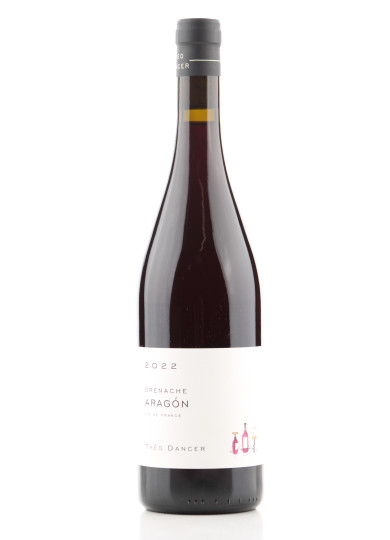
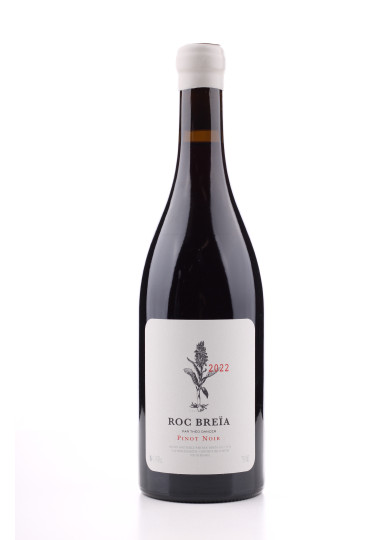
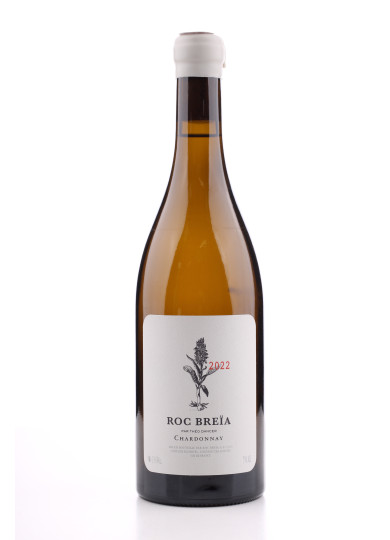
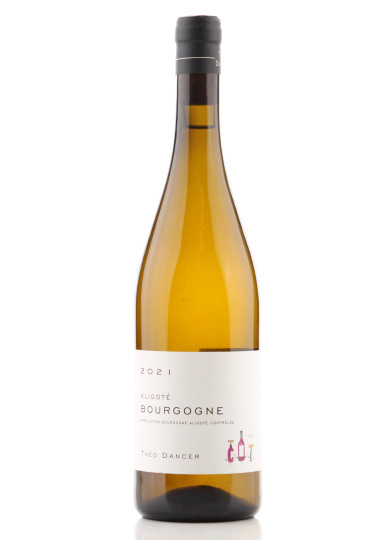
Théo Dancer, son of the renowned Vincent Dancer from Chassagne-Montrachet, represents the bold new generation of Burgundy wines. Alongside the family estate, Théo has launched his own "haute couture" wine trading house, granting himself full creative freedom. His approach is that of a purist: natural vinifications, precise ageing in old barrels, and a constant quest for drinkability and energy.
Théo Dancer's wines mainly come from the rich and diverse terroirs of the Côte de Beaune, especially Chassagne-Montrachet, but also from the Mâconnais with cuvée "Roc Breïa", as well as selections in the Jura and Savoie regions. These terroirs provide mineral-driven, vibrant expressions with remarkable purity and a fresh fruit intensity.
The wines are characterized by vibrant tension, crystalline purity, and a striking fruit clarity, steering clear of heavy oak influence. They offer elegance, expressive structure, and lively freshness, reflecting a modern and natural style of Burgundy wine trading. These wines have aging potential but also offer immediate pleasure.
Théo Dancer wines pair beautifully with delicate and flavorful dishes including:
Explore our exclusive selection of Théo Dancer wines on achetezduvin.fr with fast delivery and secure payment. Our team of passionate sommeliers has handpicked the finest cuvées from this innovative winemaker, perfect for enriching your cellar with vibrant and authentic wines.






Ban on the sale of alcoholic beverages to minors under 18 years of age
Proof of majority of the buyer is required at the time of online sale
Le barème établi par Robert Parker évalue les vins sur une échelle allant de 50 à 100 points afin d’aider les consommateurs à choisir leurs bouteilles. La grille de notation est la suivante :
96 à 100 Une cuvée grandiose : niveau exceptionnel.
90 à 95 Belle complexité aromatique, bel équilibre : niveau excellent.
80 à 89 Grande intensité aromatique, finesse et équilibre : bon niveau.
70 à 79 Plaisant, peu de complexité : niveau moyen.
60 à 69 Quelques défauts perceptibles : niveau très moyen.
50 à 59 Détection de défauts, manque d'équilibre : niveau acceptable.