

2 items in stock
1 product
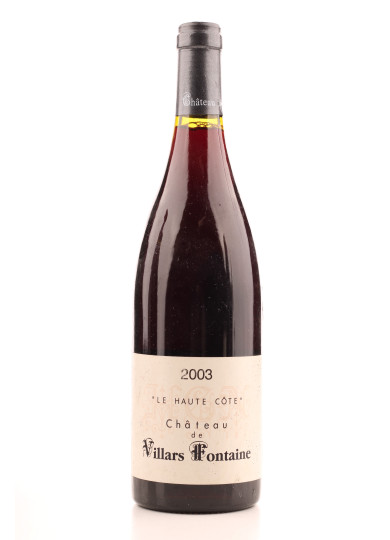
The Château Villars Fontaine, located near Nuits-Saint-Georges in Burgundy, is a distinguished estate known for its traditional approach and exceptional ability to produce long-aging wines. The domaine primarily cultivates Pinot Noir and Chardonnay, carefully aged to unlock the full complexity of their terroir.
Situated in the Hautes-Côtes, the terroir features limestone and clay-limestone soils ideal for slow grape maturation. This privileged soil imparts an elegant minerality and precise structure to the wines. The temperate climate with distinct seasonal variations enhances the aromatic complexity, allowing Pinot Noir to develop deep aromas while Chardonnay reveals finesse and roundness.
The red wines of Château Villars Fontaine are beautifully structured, displaying aromas of black fruits, spices, leather, and developed notes from extended barrel aging. The rarer white wines offer broad aromatic intensity with notes of ripe fruit, honey, and marked minerality. All wines benefit from patient aging resulting in finely balanced and elegant cuvées.
These wines perfectly complement rich and flavorful dishes such as braised meats, game, roasted poultry, fish in sauce, and aged cheeses like Époisses or mature Comté. They will delight lovers of mature and complex wines, bringing elegance and depth to your meals.
Discover our exclusive selection of Château Villars Fontaine wines on achetezduvin.fr. Enjoy fast delivery and premium service to enrich your cellar with these exceptional wines carefully selected by our expert sommeliers.






Ban on the sale of alcoholic beverages to minors under 18 years of age
Proof of majority of the buyer is required at the time of online sale
Le barème établi par Robert Parker évalue les vins sur une échelle allant de 50 à 100 points afin d’aider les consommateurs à choisir leurs bouteilles. La grille de notation est la suivante :
96 à 100 Une cuvée grandiose : niveau exceptionnel.
90 à 95 Belle complexité aromatique, bel équilibre : niveau excellent.
80 à 89 Grande intensité aromatique, finesse et équilibre : bon niveau.
70 à 79 Plaisant, peu de complexité : niveau moyen.
60 à 69 Quelques défauts perceptibles : niveau très moyen.
50 à 59 Détection de défauts, manque d'équilibre : niveau acceptable.