

2 items in stock
1 product
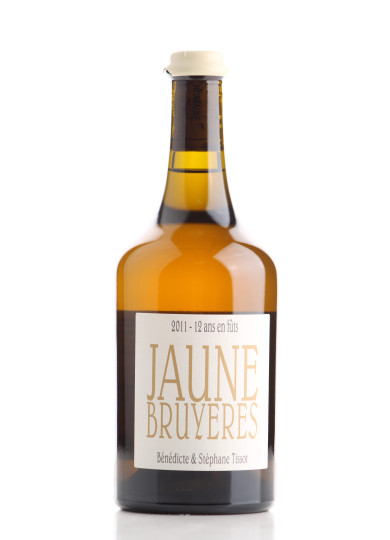
The STEPHANE TISSOT estate is a renowned name in the world of Jura wines, celebrated for its dedication to quality and terroir expression. This family-run domaine located in Jura offers a range of elegant and expressive wines, crafted with great respect for the terroir and local grape varieties such as Chardonnay, Savagnin, and Pinot Noir. Their winemaking philosophy emphasizes natural methods and careful aging to highlight the aromatic purity of each cuvée.
The vineyards of STEPHANE TISSOT spread across diverse soils mainly composed of Jurassic marl and limestone, providing ideal conditions for the expression of emblematic grape varieties. The continental climate of Jura, with cool summers and cold winters, supports slow ripening, encouraging aromatic concentration and balanced acidity. Respectful vinification techniques including spontaneous fermentation and low intervention yield precious wines with great aging potential.
STEPHANE TISSOT wines are known for their finesse, aromatic complexity, and minerality. Whether white wines of remarkable purity, with delicate notes of white flowers, citrus, and nuts, or elegant red wines with precise fruit and silky tannins, each bottle reflects the authenticity of the Jura terroir. Oak aging and sometimes voile aging add an extra dimension, with nuances of almonds, hazelnuts, and spices.
STEPHANE TISSOT wines pair beautifully with various dishes: aged Comté cheese, Bresse chicken with morels, fish in light sauces, and wild mushroom dishes. Their freshness and complexity make them ideal companions for gourmet meals and tasting moments featuring regional products.
Explore our exclusive selection of STEPHANE TISSOT wines at achetezduvin.fr. Enjoy fast and secure delivery to enrich your cellar with these exceptional wines selected by our passionate sommeliers, true to the tradition and excellence of Jura.






Ban on the sale of alcoholic beverages to minors under 18 years of age
Proof of majority of the buyer is required at the time of online sale
Le barème établi par Robert Parker évalue les vins sur une échelle allant de 50 à 100 points afin d’aider les consommateurs à choisir leurs bouteilles. La grille de notation est la suivante :
96 à 100 Une cuvée grandiose : niveau exceptionnel.
90 à 95 Belle complexité aromatique, bel équilibre : niveau excellent.
80 à 89 Grande intensité aromatique, finesse et équilibre : bon niveau.
70 à 79 Plaisant, peu de complexité : niveau moyen.
60 à 69 Quelques défauts perceptibles : niveau très moyen.
50 à 59 Détection de défauts, manque d'équilibre : niveau acceptable.