

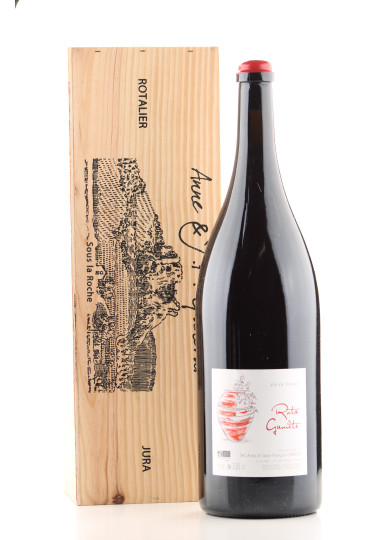
2 items in stock
22 products
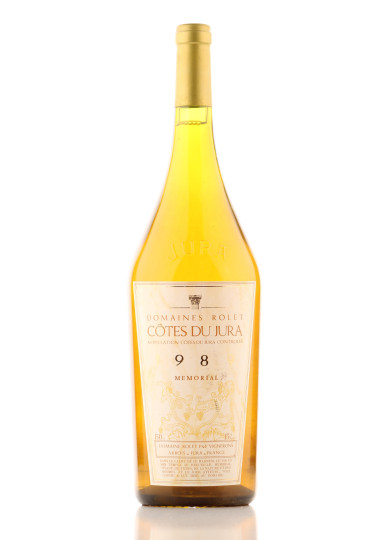
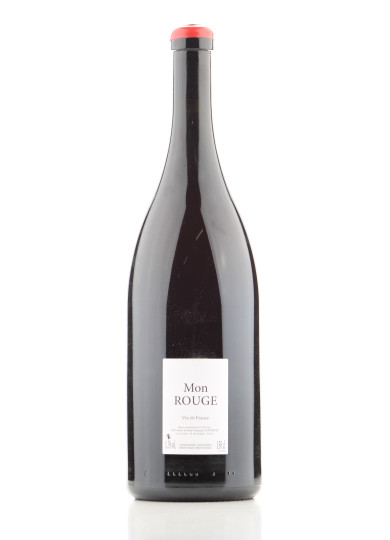
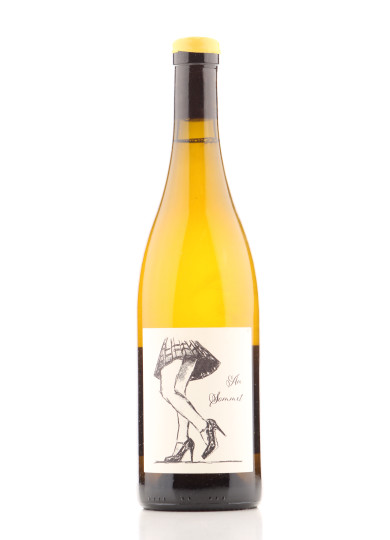
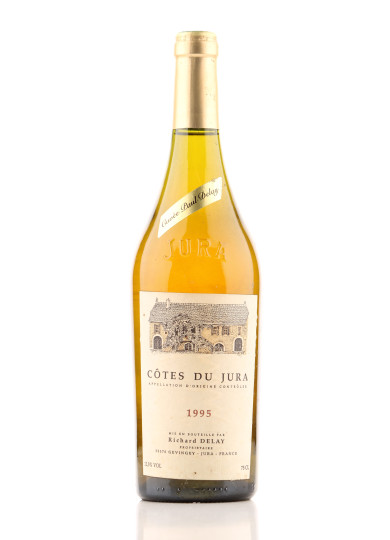
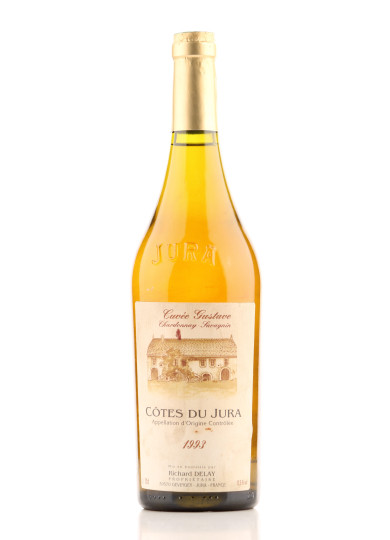
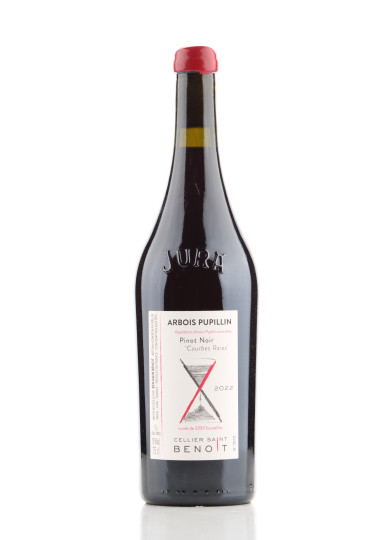
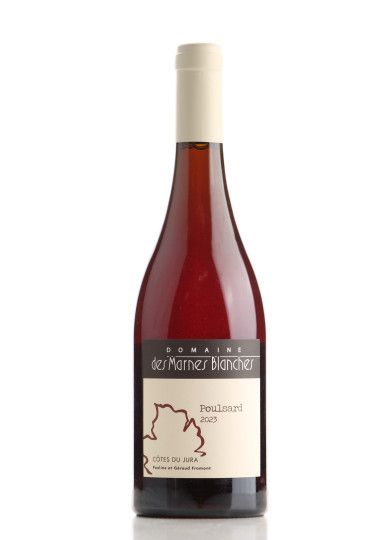

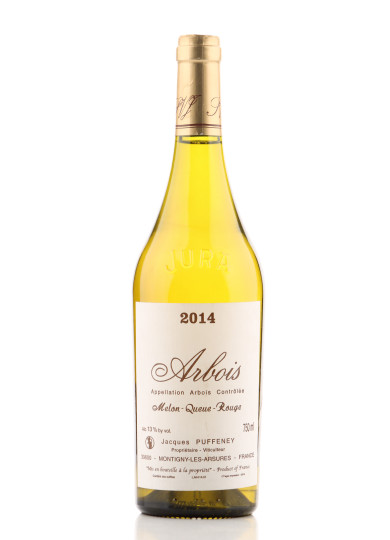
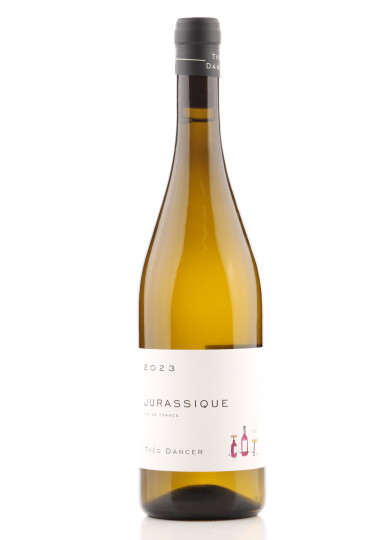
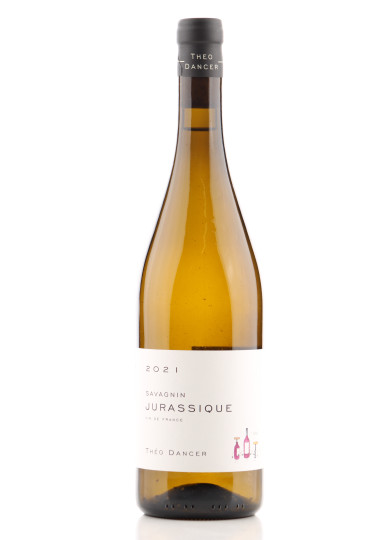
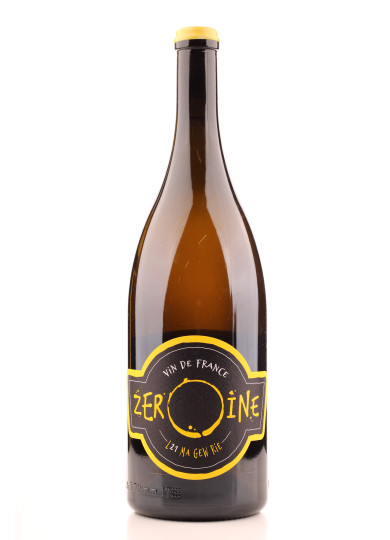
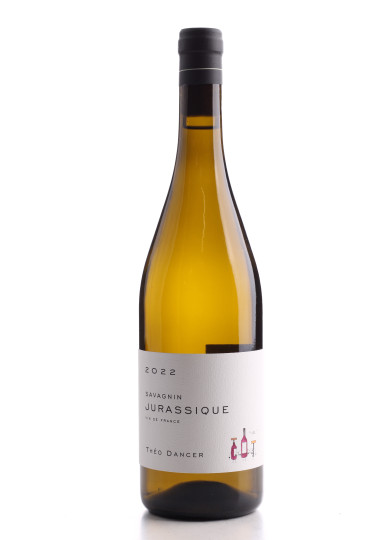
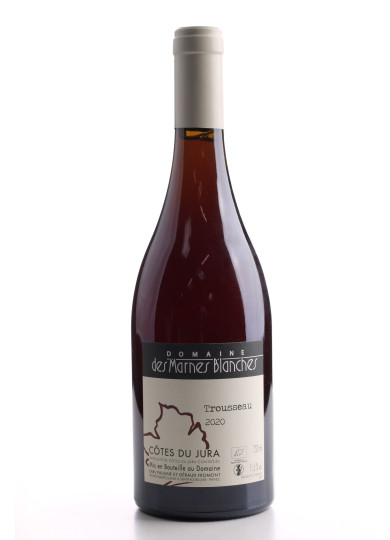
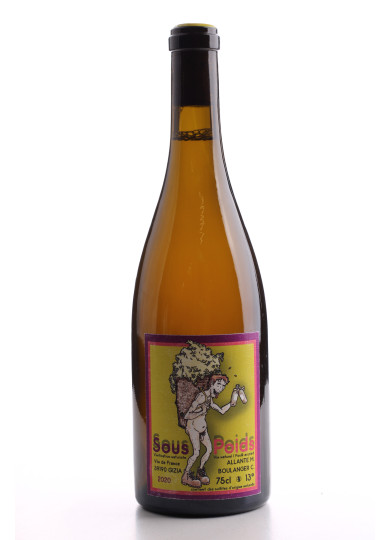
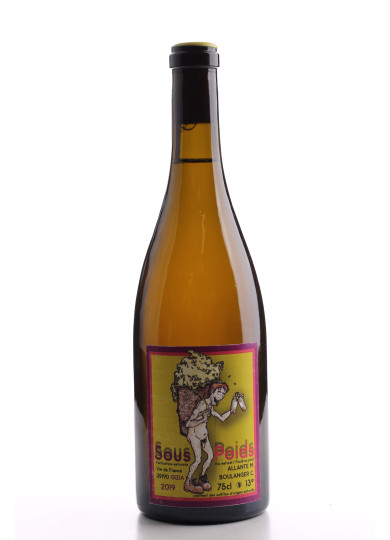
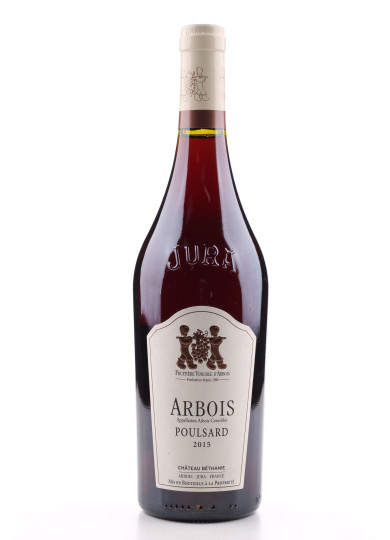
Jura wines, from eastern France, are celebrated for their originality, diversity, and unique character. This region produces red, white, rosé, and sparkling wines crafted from emblematic local grape varieties such as Savagnin, Chardonnay, Poulsard, and Trousseau. The Jura terroir features varied soils and a semi-continental climate that impart finesse, mineral complexity, and aromatic depth to these distinctive wines.
The Jura region benefits from a unique terroir with diverse soils including marl, clay, and limestone, combined with a semi-continental climate tempered by mountain influences. This environment favors the cultivation of key grape varieties such as Savagnin, the flagship for the renowned Vin Jaune, and Poulsard and Trousseau for reds. Traditional vinification methods, including oxidative aging under a veil for Vin Jaune, contribute to the uniqueness of Jura wines.
Jura red wines, mainly from Poulsard and Trousseau, reveal aromas of red berries, light tannins, and natural elegance with a full-bodied red wine style that remains refined. White wines from Savagnin and Chardonnay offer freshness, pronounced minerality, and aromatic complexity ranging from floral and fruity notes to oxidative nuances characteristic of Jura’s famous Vin Jaune. Rosé and sparkling Jura wines are light, fresh, and highly aromatic, ideal for aperitifs or social meals.
Jura wines pair excellently with the rich and varied regional cuisine: aged cheeses like Comté, freshwater fish, roasted poultry, sauced dishes, and nut- or fruit-based desserts. Their balance and originality make them suitable for daily enjoyment as well as special occasions.
At achetezduvin.fr, we carefully select Jura cuvées from passionate winemakers dedicated to preserving the terroir and local grape varieties. Discover aromatic, elegant wines that truly represent the rich viticultural heritage of the Jura region, delivered directly to your cellar for your tasting pleasure.






Ban on the sale of alcoholic beverages to minors under 18 years of age
Proof of majority of the buyer is required at the time of online sale
Le barème établi par Robert Parker évalue les vins sur une échelle allant de 50 à 100 points afin d’aider les consommateurs à choisir leurs bouteilles. La grille de notation est la suivante :
96 à 100 Une cuvée grandiose : niveau exceptionnel.
90 à 95 Belle complexité aromatique, bel équilibre : niveau excellent.
80 à 89 Grande intensité aromatique, finesse et équilibre : bon niveau.
70 à 79 Plaisant, peu de complexité : niveau moyen.
60 à 69 Quelques défauts perceptibles : niveau très moyen.
50 à 59 Détection de défauts, manque d'équilibre : niveau acceptable.