Livraison avant Noël : commandez jusqu’au lundi 14/12 en standard ou mercredi 16/12 en express Free delivery from 250€ for France
Filter by
Region
Domain
Designation
Vintage
Format
Color
Price
€ €
Filter

Your questions, our answers.

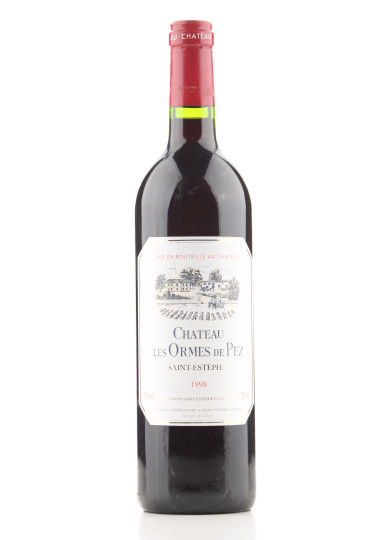
How should I read the reference “Saint-Estèphe Château Ormes de Pez 1998”?

This is a red wine from Château Ormes de Pez, in the Saint-Estèphe appellation, in the Bordeaux wine region. The vintage shown is 1998, in a 75 cl bottle.

Which grape varieties make up Château Ormes de Pez wines?

The blend described combines Cabernet Sauvignon, which brings power, with Merlot, which adds roundness and ripe fruitiness. Cabernet Franc and Petit Verdot complete the blend, although the proportions for the 1998 vintage are not specified.

What aromas might you find in a Château Ormes de Pez?

For great vintages, the estate’s description mentions black fruits such as blackcurrant and blackberry, sweet spices, leather, and toasted notes. These are tasting reference points, but they are not specific tasting notes for the 1998 wine shown.

What is the connection between Château Ormes de Pez and Château Lynch-Bages?

Château Ormes de Pez belongs to the Cazes family, who also own Château Lynch-Bages. This shared ownership does not make the wine shown a Lynch-Bages cuvée: it is indeed Château Ormes de Pez.

Can Château Ormes de Pez be served with a platter of aged cheeses?

Yes, aged cheeses are among the recommended pairings for this red wine, described as structured, generous, and full-bodied. It’s an option to consider if you’re looking for a wine with a strong presence at the table.
Notes Parker

Le barème établi par Robert Parker évalue les vins sur une échelle allant de 50 à 100 points afin d’aider les consommateurs à choisir leurs bouteilles. La grille de notation est la suivante :


96 à 100 Une cuvée grandiose : niveau exceptionnel.

90 à 95 Belle complexité aromatique, bel équilibre : niveau excellent.

80 à 89 Grande intensité aromatique, finesse et équilibre : bon niveau.

70 à 79 Plaisant, peu de complexité : niveau moyen.

60 à 69 Quelques défauts perceptibles : niveau très moyen.

50 à 59 Détection de défauts, manque d'équilibre : niveau acceptable.