

2 items in stock
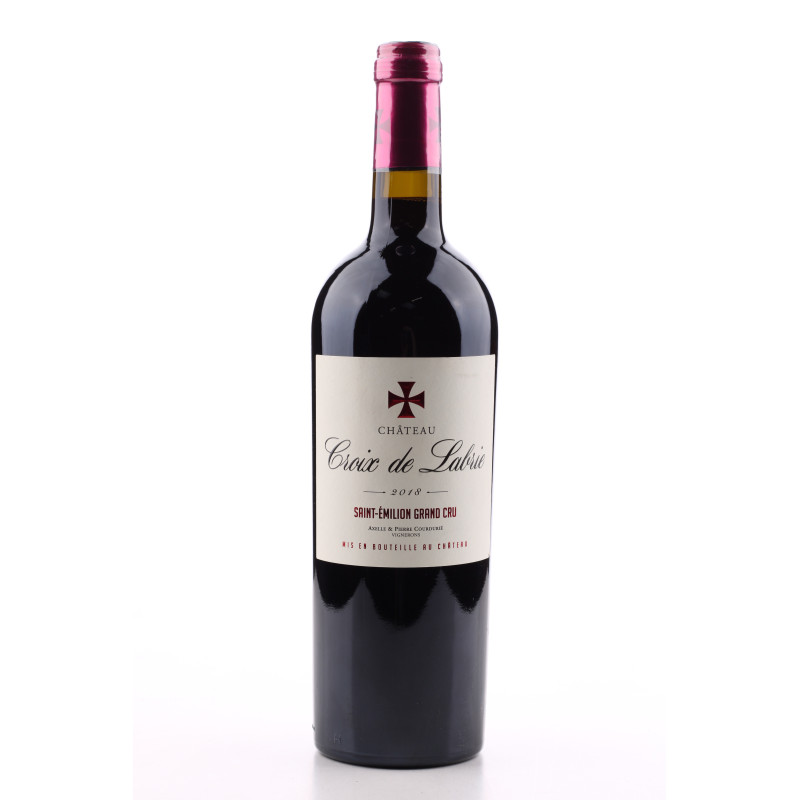
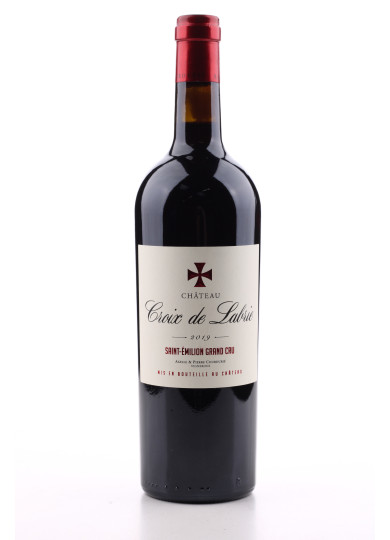
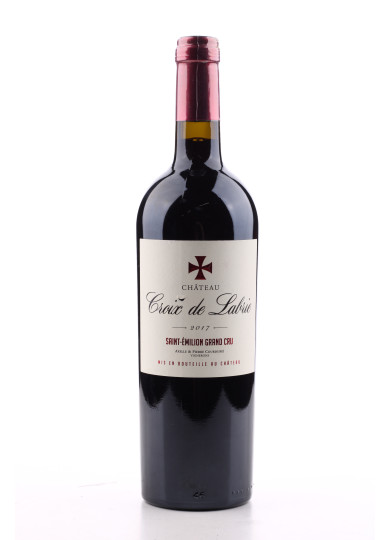
Château Croix de Labrie is a prestigious wine estate located in the renowned Saint-Émilion appellation in Bordeaux. It benefits from an exceptional terroir and a maritime climate conducive to vine-growing. The vineyards are planted mainly with classic Bordeaux grape varieties such as Merlot, Cabernet Franc and Cabernet Sauvignon. Its red wines, dominated by Merlot, offer rich flavors, refined tannins and harmonious balance. The white wines, often made from Sauvignon Blanc and Sémillon, are distinguished by their freshness, minerality and lively acidity. The domaine has won praise from wine critics and prestigious awards.

Deep red with vivid highlights

Concentrated and expressive red fruits; Woody notes

Ripe, supple tannins; harmonious combination of fruit, wood and spices

Roast meats; Simmered dishes; Mature cheeses

To be enjoyed now or in a few years
The Saint-Émilion Grand Cru appellation, also located in Bordeaux, is renowned for its high-quality red wines. The 2018 vintage was characterized by favorable weather conditions, with a hot, sunny summer followed by a mild, dry autumn, allowing the grapes to reach excellent ripeness. The wines of this vintage offer optimum concentration of fruit, ripe tannins and freshness, reflecting the exceptional character of the harvest. They have considerable ageing potential and can develop into wines of great elegance and complexity with age.





Ban on the sale of alcoholic beverages to minors under 18 years of age
Proof of majority of the buyer is required at the time of online sale
Le barème établi par Robert Parker évalue les vins sur une échelle allant de 50 à 100 points afin d’aider les consommateurs à choisir leurs bouteilles. La grille de notation est la suivante :
96 à 100 Une cuvée grandiose : niveau exceptionnel.
90 à 95 Belle complexité aromatique, bel équilibre : niveau excellent.
80 à 89 Grande intensité aromatique, finesse et équilibre : bon niveau.
70 à 79 Plaisant, peu de complexité : niveau moyen.
60 à 69 Quelques défauts perceptibles : niveau très moyen.
50 à 59 Détection de défauts, manque d'équilibre : niveau acceptable.