Livraison avant Noël : commandez jusqu’au lundi 14/12 en standard ou mercredi 16/12 en express Free delivery from 250€ for France
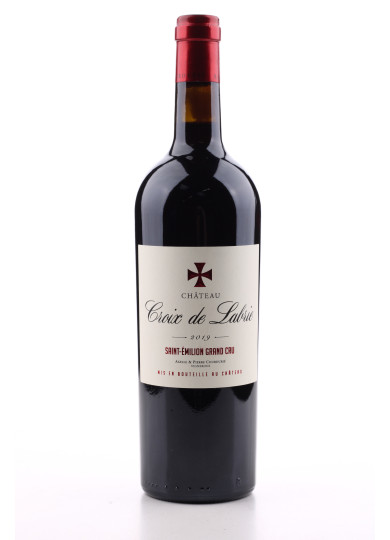
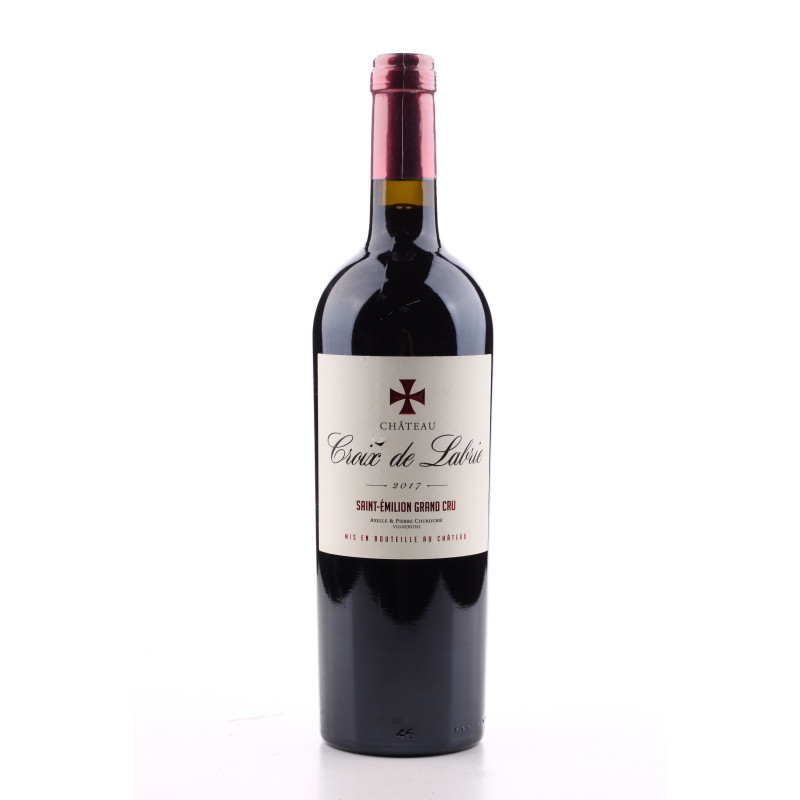
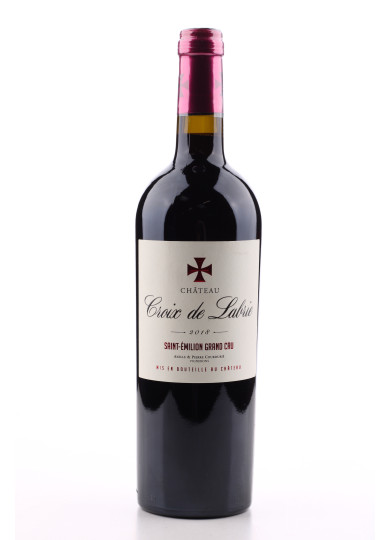
SAINT-EMILION GRAND CRU 2017 CHATEAU CROIX DE LABRIE
92

SAINT-EMILION GRAND CRU 2017 CHATEAU CROIX DE LABRIE

15%
€80.00
€68.00
Bouteille 75 cl

Château Croix de Labrie is a prestigious wine estate located in the renowned Saint-Émilion appellation in Bordeaux. It benefits from an exceptional terroir and a maritime climate conducive to vine-growing. The vineyards are planted mainly with classic Bordeaux grape varieties such as Merlot, Cabernet Franc and Cabernet Sauvignon. Its red wines, dominated by Merlot, offer rich flavors, refined tannins and harmonious balance. The white wines, often made from Sauvignon Blanc and Sémillon, are distinguished by their freshness, minerality and lively acidity. The domaine has won praise from wine critics and prestigious awards.

1 item in stock
Livraison estimée entre le 23/11/26 et le 30/11/26
Tasting
icon_image_1728402326.svg
To the eye

Deep red with crimson highlights 

icon_image_1728402369.svg
Nose

Red berries: Cherry, blackberry; Woody; Spicy; Floral 

icon_image_1728402397.svg
Palate

Supple tannins; Dark red fruit; Woody accent; Spicy; Long finish

icon_image_1728402432.svg
Pairing

Red meat; Morel sauce; Duck

icon_image_1714654135.svg
Aging potential

Enjoy now or in a few years 

Features
  • Color Red
  • Region Bordeaux
  • Designation SAINT EMILION
  • Vintage 2017
  • Format Bouteille
  • Domain CHATEAU CROIX DE LABRIE
  • Degree 14.5
  • Capacity 75 cl
About

The Saint-Émilion Grand Cru appellation, located in the Bordeaux wine region, is renowned for its elegant, complex red wines. The 2017 vintage was marked by variable weather conditions, with a wet spring followed by a hot, dry summer, requiring careful management of the vineyards to ensure good grape ripeness. The wines of this vintage feature a fine concentration of fruit, supple tannins and a balanced structure, offering interesting ageing potential.
Your questions, our answers.

Could this wine suit me if I don’t like reds with harsh tannins?

The description of the 2017 vintage highlights supple tannins and a balanced structure: these are encouraging signs given your preference. However, this is a general overview of the vintage, not a detailed tasting of this particular wine.

Is this an interesting option for discovering a Bordeaux that is both fruity and structured?

Yes, the profile described for 2017 combines concentrated fruit with a balanced structure. This makes it a suitable option if you’re looking for both qualities rather than simply powerful tannins.

Is this vintage worth considering for building a wine cellar?

The description mentions interesting aging potential, supported by the concentration and balance of the wines from this vintage. However, it does not specify a drinking window for Château Croix de Labrie 2017, so it is not possible to give a precise aging recommendation.

Should the weather conditions in 2017 put me off this bottle?

Not based solely on the information provided: despite variable weather and demanding vineyard management, the description highlights the vintage’s concentrated fruit, supple tannins, and balance. However, it does not specify how these conditions affected Château Croix de Labrie’s vineyard plots.

What kind of tasting occasion would this bottle be suitable for?

A tasting among enthusiasts focused on the profile of the 2017 Saint-Émilion wines would be a suitable setting. The fruit, supple tannins, and balance described for the vintage offer concrete points to explore and compare with the sensations you actually find in the glass.
Notes Parker

Le barème établi par Robert Parker évalue les vins sur une échelle allant de 50 à 100 points afin d’aider les consommateurs à choisir leurs bouteilles. La grille de notation est la suivante :


96 à 100 Une cuvée grandiose : niveau exceptionnel.

90 à 95 Belle complexité aromatique, bel équilibre : niveau excellent.

80 à 89 Grande intensité aromatique, finesse et équilibre : bon niveau.

70 à 79 Plaisant, peu de complexité : niveau moyen.

60 à 69 Quelques défauts perceptibles : niveau très moyen.

50 à 59 Détection de défauts, manque d'équilibre : niveau acceptable.