

Provence Wines: Exceptional Mediterranean Terroir Wines
7 products
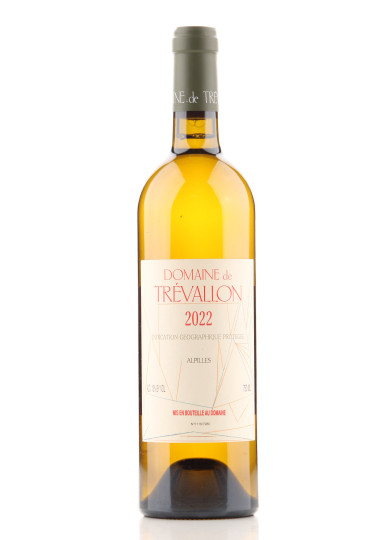
1 item in stock
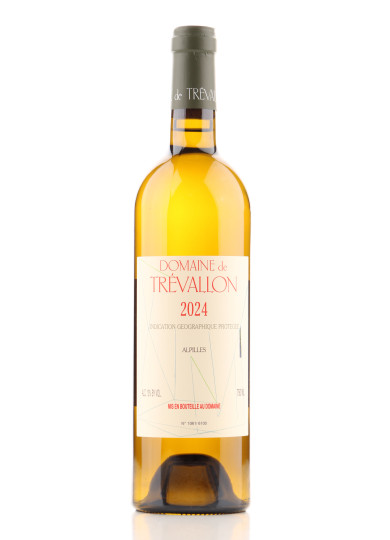
2 items in stock
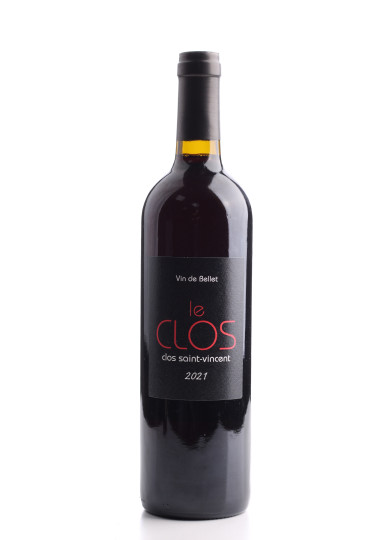
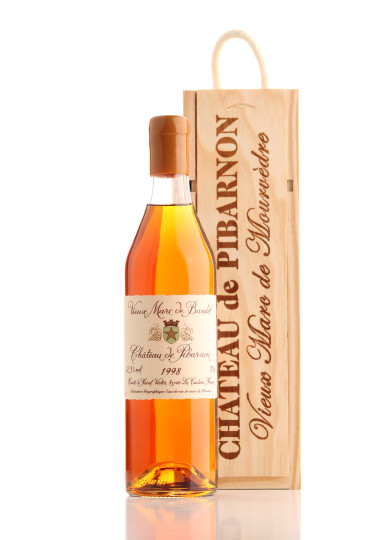
2 items in stock
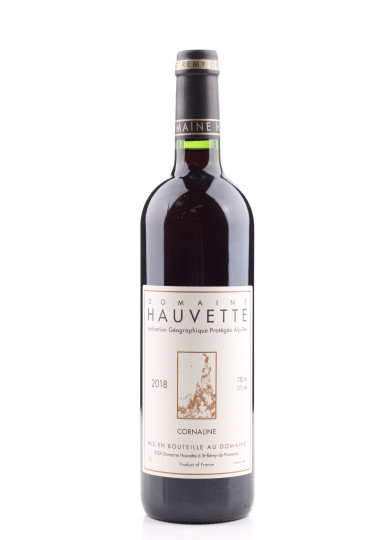
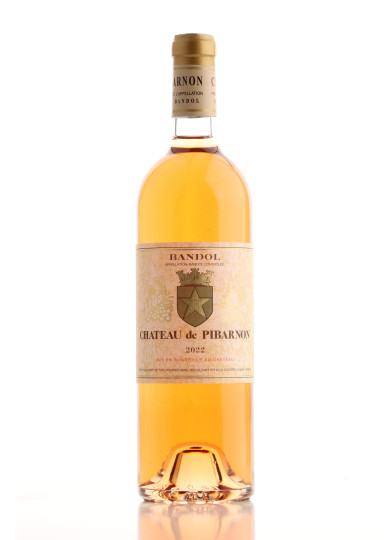
2 items in stock

3 items in stock
Discover Provence Wines
Provence Wines, located in southeastern France, are renowned for their light and aromatic rosés, but the region also produces quality red and white wines. The Mediterranean climate, warm and sunny, combined with diverse soils such as clay, limestone, and rolled pebbles, grants these wines remarkable freshness, balance, and fineness.
Terroir and Characteristics
The terroir of Provence benefits from an ideal climate for viticulture, featuring hot summers and maritime influences that moderate temperatures. Soils vary from limestone plateaus to stony valleys, creating expressive and well-balanced aromatic profiles. Key grape varieties include Grenache, Syrah, Mourvèdre, and Cinsault for reds and rosés, while whites commonly use Rolle (Vermentino), Ugni Blanc, and Clairette.
Wine Profile
Provence rosés are fresh, fruity, and floral, offering a delicate aromatic palette with notes of strawberry, raspberry, citrus, and white flowers. The red wines, built around Grenache and Mourvèdre, feature supple tannins, roundness, and intense aromas of red fruits and spices. The white wines stand out for their freshness, elegance, and mineral notes that perfectly reflect the Mediterranean terroir. These wines are suitable for early consumption, though some can age gracefully.
Food Pairings
Provence wines pair perfectly with Mediterranean cuisine. Rosés complement grilled dishes, Provençal recipes, composed salads, and summer appetizers. Reds are excellent with meat stews, braised dishes, and aged cheeses like Banon or Picodon. Whites pair beautifully with grilled fish, seafood, and fresh vegetable-based dishes.
Our Provence Wines Selection
At achetezduvin.fr, we carefully select Provence wines from passionate winemakers dedicated to showcasing their terroir. Discover elegant, aromatic wines representative of this exceptional Mediterranean region, with fast delivery and expert sommeliers ready to help enrich your cellar.
Afficher plus
Afficher moins

Wines selected
by our experts

Order and pay
securely

100% of the wines
in stock

Free delivery
from 250€ in France

Your favorite wines
at your fingertips

Ban on the sale of alcoholic beverages to minors under 18 years of age
Proof of majority of the buyer is required at the time of online sale
Le barème établi par Robert Parker évalue les vins sur une échelle allant de 50 à 100 points afin d’aider les consommateurs à choisir leurs bouteilles. La grille de notation est la suivante :
96 à 100 Une cuvée grandiose : niveau exceptionnel.
90 à 95 Belle complexité aromatique, bel équilibre : niveau excellent.
80 à 89 Grande intensité aromatique, finesse et équilibre : bon niveau.
70 à 79 Plaisant, peu de complexité : niveau moyen.
60 à 69 Quelques défauts perceptibles : niveau très moyen.
50 à 59 Détection de défauts, manque d'équilibre : niveau acceptable.