Livraison avant Noël : commandez jusqu’au lundi 14/12 en standard ou mercredi 16/12 en express Free delivery from 250€ for France
Filter by
Region
Domain
Designation
Vintage
Format
Color
Price
€ €
Filter
88
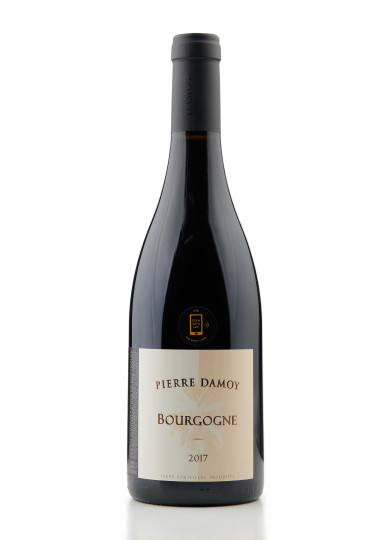
BOURGOGNE  PIERRE DAMOY 2017

BOURGOGNE PIERRE DAMOY 2017

2017 | 75 cl
PIERRE DAMOY
€60.00 -10% €54.00

Your questions, our answers.

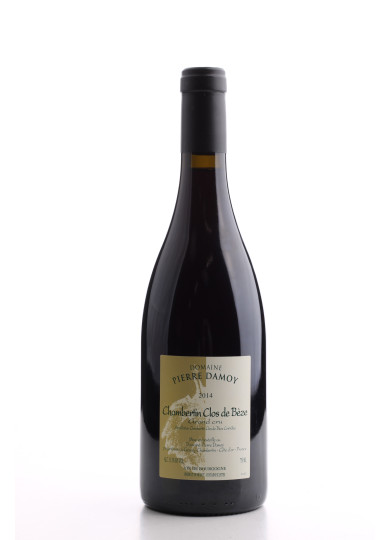
What distinguishes the two red wines from Domaine Pierre Damoy featured here?

The 2017 Bourgogne falls under the regional appellation, while the 2014 Chambertin-Clos de Bèze is classified as a Grand Cru. They offer a look at two appellation levels from the estate, but their different vintages prevent a same-year comparison.

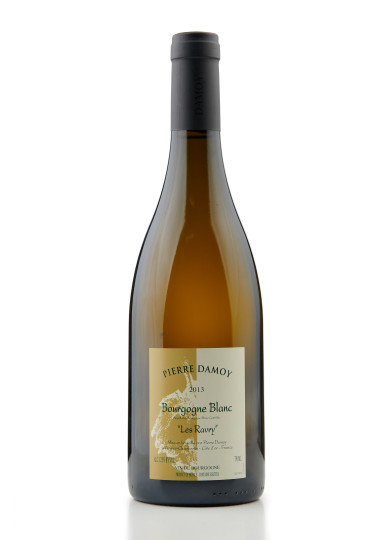
Which wine should I choose to discover Domaine Pierre Damoy’s white wine offering?

Bourgogne Les Ravry 2013 is the only white in this selection, alongside two reds. It falls under the regional Bourgogne appellation; the estate description, which focuses on its great red wines, does not specify its aromatic profile.

Which vintages are represented in this Domaine Pierre Damoy selection?

Three vintages are represented: 2013 for the white Les Ravry, 2017 for the red Bourgogne, and 2014 for the Chambertin-Clos de Bèze Grand Cru. Each wine is from a different year, so this selection is not a vertical tasting of the same cuvée.

Which Domaine Pierre Damoy practices shed light on the style of its wines?

The presentation highlights limited yields and soil-friendly viticulture, intended to express the estate’s terroirs. It describes deep, structured red wines with great aromatic intensity, without detailing the style of each individual cuvée.

Which wine in this selection should I consider for cellaring?

The 2014 Chambertin-Clos de Bèze Grand Cru is the wine to consider in light of the structure and aging potential associated with the estate’s great red wines. However, no specific drinking window is provided for this vintage, so it is not possible to recommend a precise cellaring period.
Notes Parker

Le barème établi par Robert Parker évalue les vins sur une échelle allant de 50 à 100 points afin d’aider les consommateurs à choisir leurs bouteilles. La grille de notation est la suivante :


96 à 100 Une cuvée grandiose : niveau exceptionnel.

90 à 95 Belle complexité aromatique, bel équilibre : niveau excellent.

80 à 89 Grande intensité aromatique, finesse et équilibre : bon niveau.

70 à 79 Plaisant, peu de complexité : niveau moyen.

60 à 69 Quelques défauts perceptibles : niveau très moyen.

50 à 59 Détection de défauts, manque d'équilibre : niveau acceptable.