

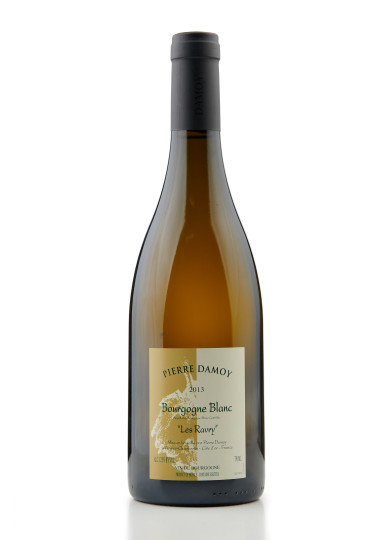
Domaine Pierre Damoy: Exceptional Grand Crus from Gevrey-Chambertin
3 products
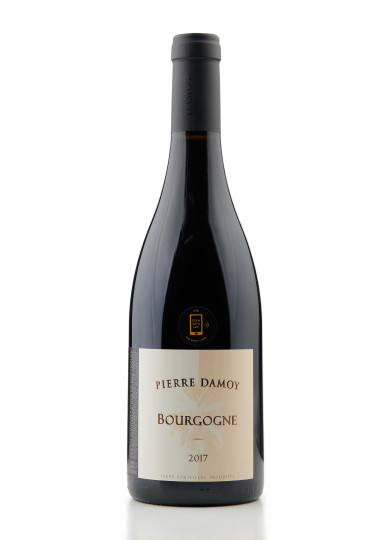
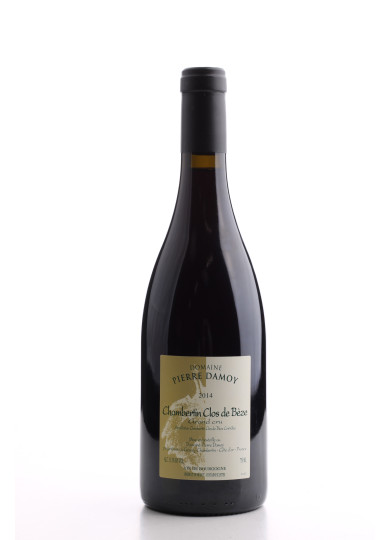
1 item in stock
Discover Domaine Pierre Damoy
Located in Gevrey-Chambertin, the Domaine Pierre Damoy boasts one of the most spectacular Grand Cru heritages in all of Burgundy. Since 1992, under the leadership of Pierre Damoy, representing the fifth generation, the estate has undergone a true qualitative revolution, establishing itself among the most prominent names in the Côte de Nuits. The domaine is the largest owner of the legendary Chambertin-Clos de Bèze (with over 5 hectares) and also holds significant parcels in Chambertin. It proudly holds the monopoly on Gevrey-Chambertin Clos Tamisot, a rare and highly sought-after appellation.
Terroir and Characteristics
The exceptional terroir consists of limestone clay soils mixed with rolled pebbles, benefiting from a temperate microclimate ideal for optimal grape maturity. Viticulture is demanding, with no chemical fertilizers, focusing on environmentally respectful practices. The emblematic grape variety is Pinot Noir, which produces powerful and refined red wines typical of the Côte de Nuits.
Wine Profile
Domaine Pierre Damoy's wines are distinguished by their aristocratic power and remarkable density of matter. The winemaking is precise, featuring extended macerations and careful aging in oak barrels, giving the wines an elegant structure and exceptional aging potential. These deep wines, rich in complex aromas, intensely express the nobility of the Gevrey terroirs, inviting a rich tasting experience.
Food Pairings
Pierre Damoy wines pair perfectly with refined dishes such as Bœuf Bourguignon, Coq au Vin, matured cheeses like Comté or Époisses. Their aromatic richness also enhances game birds or roasted poultry.
Our Domaine Pierre Damoy Selection
Discover our exclusive selection of Domaine Pierre Damoy wines on achetezduvin.fr. Benefit from secure and fast delivery to enrich your cellar with these exceptional Grand Crus, selected by our expert sommeliers.
Afficher plus
Afficher moins

Wines selected
by our experts

Order and pay
securely

100% of the wines
in stock

Free delivery
from 250€ in France

Your favorite wines
at your fingertips

Ban on the sale of alcoholic beverages to minors under 18 years of age
Proof of majority of the buyer is required at the time of online sale
Le barème établi par Robert Parker évalue les vins sur une échelle allant de 50 à 100 points afin d’aider les consommateurs à choisir leurs bouteilles. La grille de notation est la suivante :
96 à 100 Une cuvée grandiose : niveau exceptionnel.
90 à 95 Belle complexité aromatique, bel équilibre : niveau excellent.
80 à 89 Grande intensité aromatique, finesse et équilibre : bon niveau.
70 à 79 Plaisant, peu de complexité : niveau moyen.
60 à 69 Quelques défauts perceptibles : niveau très moyen.
50 à 59 Détection de défauts, manque d'équilibre : niveau acceptable.