

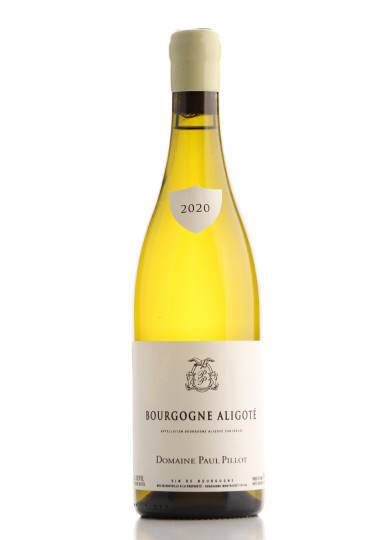
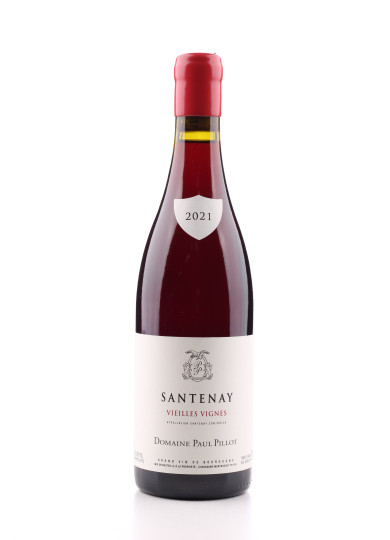
Paul Pillot: Exceptional Wines from Chassagne-Montrachet
2 products
Discover Paul Pillot Wines
The Paul Pillot Estate, located in Chassagne-Montrachet, is recognized as one of the most exciting and consistent domaines in the Côte de Beaune. Led by Thierry Pillot, succeeding his father Paul, the estate has reached an impressive quality level, establishing itself among the elite producers within this prestigious appellation. Covering 13 hectares, it boasts an exceptional heritage of Premier Crus in Chassagne-Montrachet (La Romanée, Les Caillerets, Les Grandes Ruchottes) and Saint-Aubin (Les Charmois).
Terroir and Characteristics
The estate’s terroirs feature clay-limestone soils enriched with rolled pebbles and optimal exposure, giving the wines intense minerality and great finesse. The Burgundy-style winemaking emphasizes respect and balance, with a moderate use of new oak and long aging in barrels, preserving the purity of fruit and fresh aromatic profile while developing remarkable mineral tension.
Wine Profile
The white wines from Paul Pillot are known for their sharp profile, noticeable salinity, and aristocratic elegance, while maintaining the terroir's natural richness. Their red wines offer finesse, a crunchy texture, and the classic expression of Pinot Noir, faithfully reflecting the terroir of the Côte de Beaune.
Food Pairings
Paul Pillot wines perfectly complement refined dishes such as veal sweetbreads with cream, grilled salmon, aged Comté cheese, or a well-matured Époisses, fully expressing their elegance and complexity.
Our Paul Pillot Selection
Discover the exclusive selection of Paul Pillot wines on achetezduvin.fr, featuring secure delivery and expert advice from our sommeliers to enrich your cellar with exceptional Burgundy treasures.
Afficher plus
Afficher moins

Wines selected
by our experts

Order and pay
securely

100% of the wines
in stock

Free delivery
from 250€ in France

Your favorite wines
at your fingertips

Ban on the sale of alcoholic beverages to minors under 18 years of age
Proof of majority of the buyer is required at the time of online sale
Le barème établi par Robert Parker évalue les vins sur une échelle allant de 50 à 100 points afin d’aider les consommateurs à choisir leurs bouteilles. La grille de notation est la suivante :
96 à 100 Une cuvée grandiose : niveau exceptionnel.
90 à 95 Belle complexité aromatique, bel équilibre : niveau excellent.
80 à 89 Grande intensité aromatique, finesse et équilibre : bon niveau.
70 à 79 Plaisant, peu de complexité : niveau moyen.
60 à 69 Quelques défauts perceptibles : niveau très moyen.
50 à 59 Détection de défauts, manque d'équilibre : niveau acceptable.