

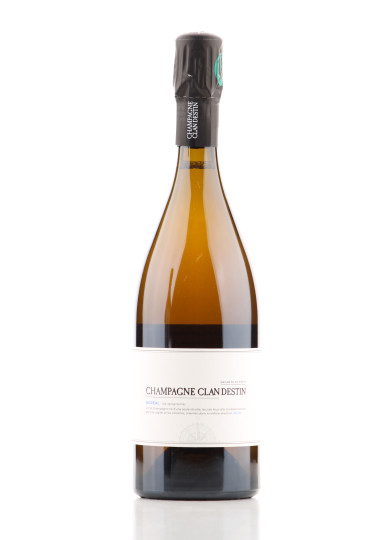
2 items in stock
1 product
Champagne Clandestin is an avant-garde project born from the collaboration between Benoît Doussot and the renowned house Vouette & Sorbée (Bertrand Gautherot). Located in the Côte des Bar area at Buxières-sur-Acre, this high-end négociant domain stands out for its radical and geographical approach to terroir. The name "Clandestin" refers to parcels once neglected for being too late-ripening or challenging, often north-facing or situated on pure Kimméridgian soils.
Certified organic, the estate works with winemaker precision: using indigenous yeasts, aging in old wood barrels, and no dosage (Brut Nature) to fully express the mineral purity of the site. The terroir’s rolled pebble-rich soils bring exceptional vitality and freshness to the wines.
Single-varietal cuvées like Boréal (Pinot Noir) and Austral (Chardonnay) impress with their straightness, saline tension, and raw energy. These terroir-driven champagnes deliver authentic, deep, and sapid wines without additives or sweetness, emphasizing purity and intensity.
These champagnes pair perfectly with elegant dishes such as fresh oysters, grilled fish, soft-ripened cheeses like Brie de Meaux, and light fine dining fare.
Explore the exclusive selection of Champagne Clandestin at achetezduvin.fr, featuring fast and secure delivery. Our expert sommeliers help you enrich your cellar with these exceptional wines that reveal the unique character of the Côte des Bar terroir.





Ban on the sale of alcoholic beverages to minors under 18 years of age
Proof of majority of the buyer is required at the time of online sale
Le barème établi par Robert Parker évalue les vins sur une échelle allant de 50 à 100 points afin d’aider les consommateurs à choisir leurs bouteilles. La grille de notation est la suivante :
96 à 100 Une cuvée grandiose : niveau exceptionnel.
90 à 95 Belle complexité aromatique, bel équilibre : niveau excellent.
80 à 89 Grande intensité aromatique, finesse et équilibre : bon niveau.
70 à 79 Plaisant, peu de complexité : niveau moyen.
60 à 69 Quelques défauts perceptibles : niveau très moyen.
50 à 59 Détection de défauts, manque d'équilibre : niveau acceptable.