

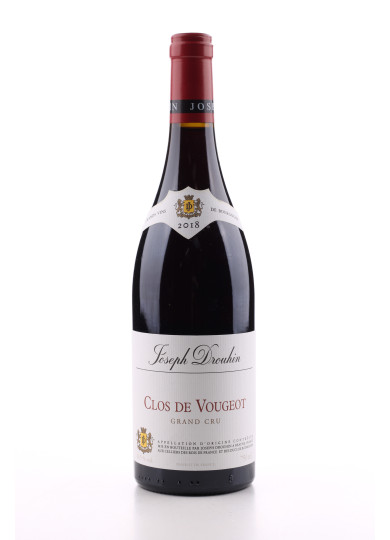
317 products
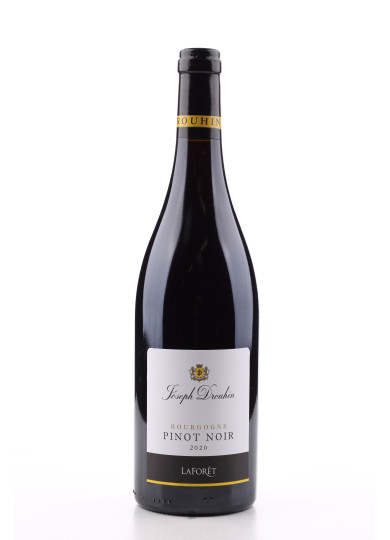
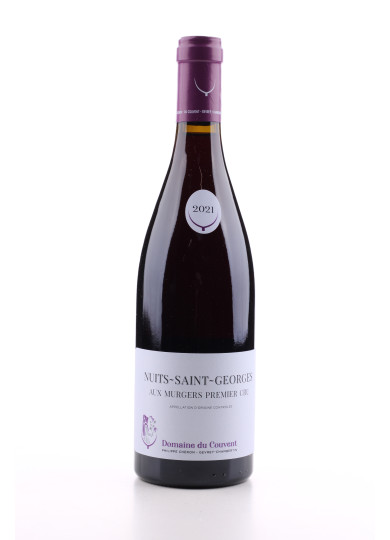
2 items in stock
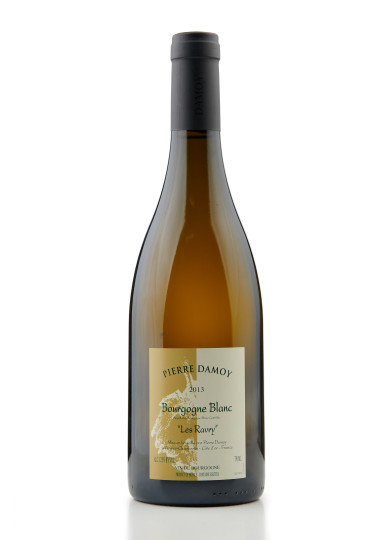
1 item in stock
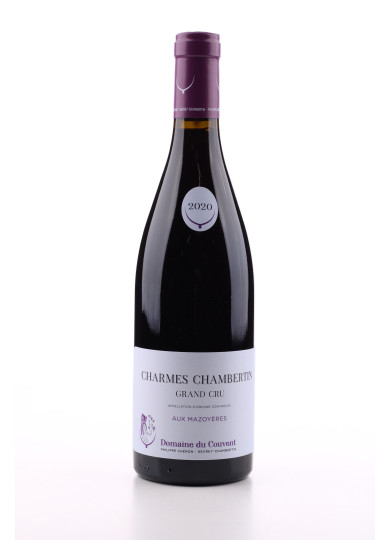
CHARMES-CHAMBERTIN GRAND CRU AUX MAZOYERES 2020 DOMAINE DU COUVENT
2020
|
75 cl
Domaine du Couvent
€165.00
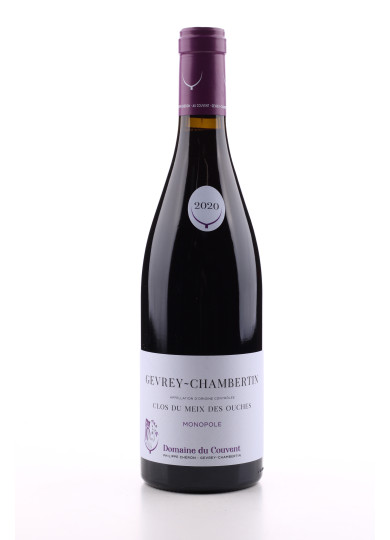
GEVREY-CHAMBERTIN CLOS DU MEIX DES OUCHES MONOPOLE 2020 DOMAINE DU COUVENT
2020
|
75 cl
Domaine du Couvent
€65.00
1 item in stock
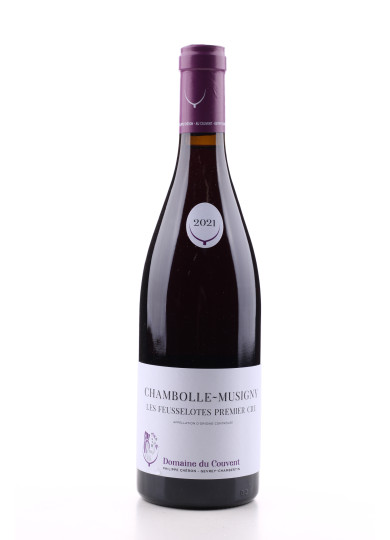
CHAMBOLLE-MUSIGNY 1ER CRU LES FEUSSELOTES 2021 DOMAINE DU COUVENT
2021
|
75 cl
Domaine du Couvent
€88.00

2 items in stock

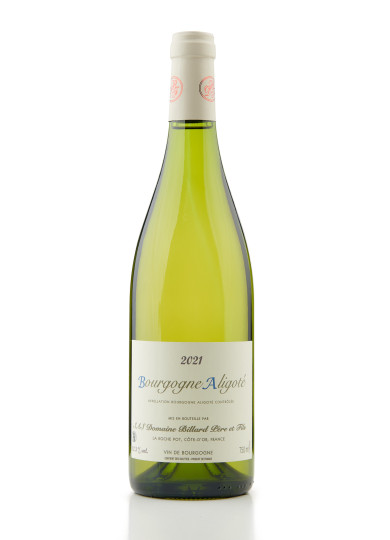
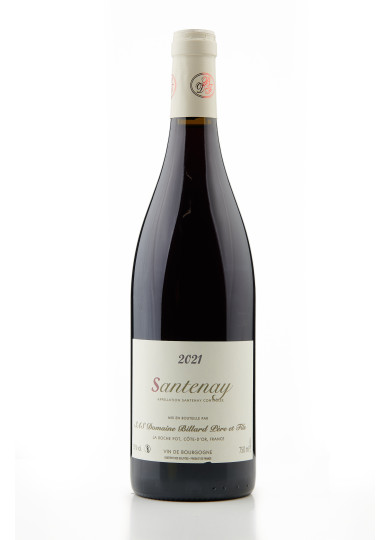
2 items in stock
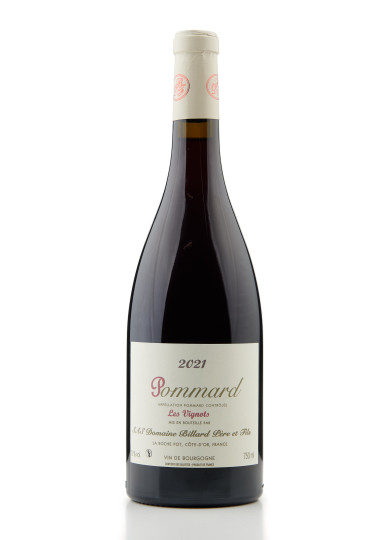
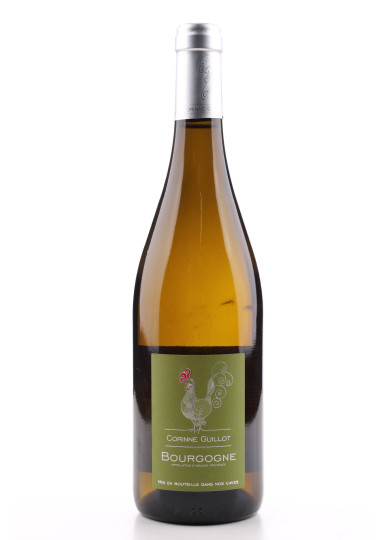
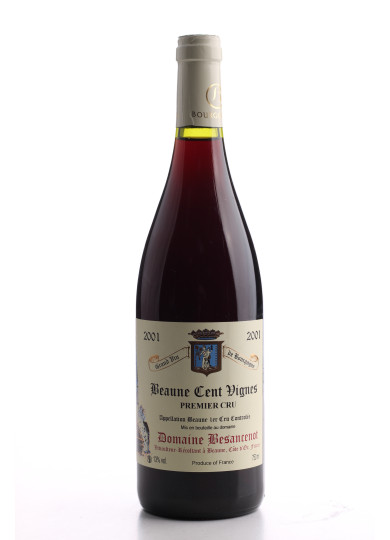
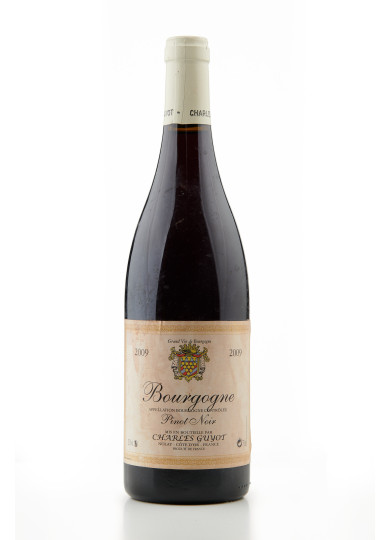
2 items in stock
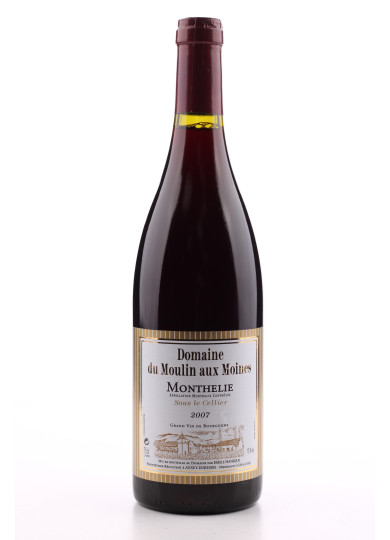
3 items in stock
MONTHELIE SOUS LE CELLIER 2007 DOMAINE DU MOULIN AUX MOINES
2007
|
75 cl
Domaine du Moulin aux Moines
€22.00
-15%
€18.70
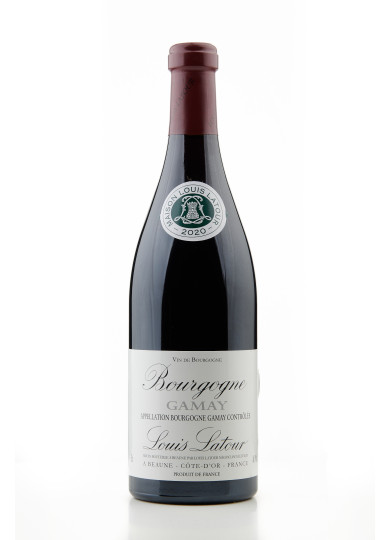
Discover Burgundy Wines
Burghundy is a unique mosaic of vineyards where the concept of a Climat—carefully defined vineyard parcels—reaches its highest expression. From the northern Côte de Nuits to the southern Côte de Beaune, this exceptional terroir is dedicated to the signature grape varieties Pinot Noir and Chardonnay.
Terroir and Characteristics
The Burghundy terroir consists of limestone and clay-limestone soils and diverse geological substrata, which contribute to the unique aromatic signature of its wines. Climats such as Gevrey-Chambertin, Vosne-Romanée, Meursault, or Puligny-Montrachet express the richness and finesse of these terroirs, with a microclimate optimal for perfect grape maturity.
Wine Profile
Burgundy wines are renowned for their crystalline elegance, complex aromatic palette, and perfect balance between power and finesse. The Pinot Noir produces silky, deep red wines, while the Chardonnay yields fresh, mineral, and generous white wines, often aged in oak barrels to enhance roundness.
Food Pairings
Burgundy wines pair wonderfully with refined dishes such as Beef Bourguignon, aged Époisses, Coq au Vin, or matured Comté cheese. Their aromatic complexity elevates both traditional and gourmet cuisine.
Our Burgundy Wines Selection
Explore our unique selection of Burgundy wines, featuring historic estates and innovative winemakers. Benefit from fast and secure delivery to enrich your cellar with the finest vintages of this prestigious region, supported by the expertise of our sommeliers.
Afficher plus
Afficher moins

Wines selected
by our experts

Order and pay
securely

100% of the wines
in stock

Free delivery
from 250€ in France

Your favorite wines
at your fingertips

Ban on the sale of alcoholic beverages to minors under 18 years of age
Proof of majority of the buyer is required at the time of online sale
Le barème établi par Robert Parker évalue les vins sur une échelle allant de 50 à 100 points afin d’aider les consommateurs à choisir leurs bouteilles. La grille de notation est la suivante :
96 à 100 Une cuvée grandiose : niveau exceptionnel.
90 à 95 Belle complexité aromatique, bel équilibre : niveau excellent.
80 à 89 Grande intensité aromatique, finesse et équilibre : bon niveau.
70 à 79 Plaisant, peu de complexité : niveau moyen.
60 à 69 Quelques défauts perceptibles : niveau très moyen.
50 à 59 Détection de défauts, manque d'équilibre : niveau acceptable.