Livraison avant Noël : commandez jusqu’au lundi 14/12 en standard ou mercredi 16/12 en express Free delivery from 250€ for France
Filter by
Region
Domain
Designation
Vintage
Format
Color
Price
€ €
Filter

Your questions, our answers.

For a first discovery of Jean-Louis Chave, how should I choose between red and white?

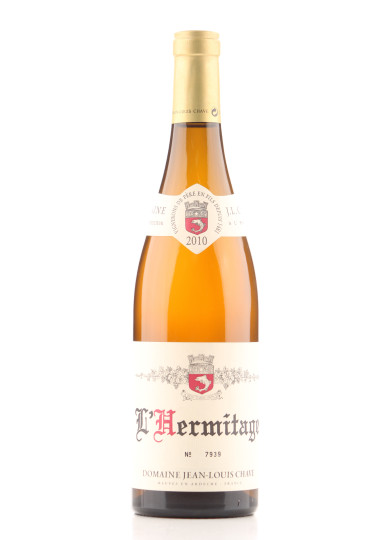
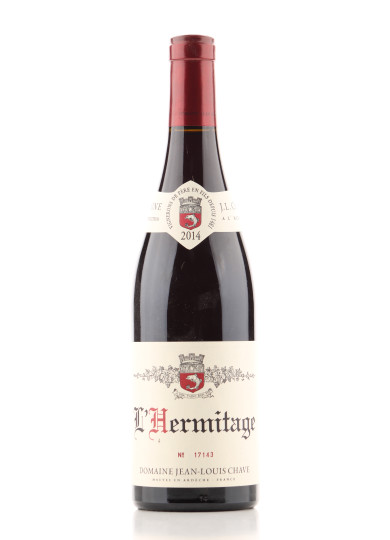
The 2014 red Hermitage, made from Syrah, is suited to those seeking depth and notes of dark fruit, pepper, and violet. The 2010 white Hermitage, a blend of Marsanne and Roussanne, offers a chance to discover a different profile: richness, precision, and tension, with notes of white flowers, honey, and toast.

Can the 2010 and 2014 vintages in this selection be compared directly?

The 2010 vintage is represented only by the white wine, while 2014 corresponds to the red. A comparison therefore cannot isolate the effect of the vintage: the color and grape varieties also differ.

What dishes should I plan for a meal featuring Jean-Louis Chave Hermitage wines?

The pairings mentioned for the estate’s wines include game birds, black truffle, red meat, and Bresse poultry with morels. However, the description does not specify how these pairings are divided between the 2014 red and the 2010 white.

What are the defining characteristics of Domaine Jean-Louis Chave?

The estate is located in Mauves and has a winemaking heritage spanning sixteen generations. Its identity is closely tied to the granite terroirs of the Hermitage hill and to wines described as deep, complex, and capable of long aging.

Does this selection offer a chance to discover several Rhône appellations?

No, both bottles come from the same appellation: Hermitage. The selection offers a chance to discover its two colors, with the 2014 red Hermitage and the 2010 white Hermitage, both available in 75 cl bottles.
Notes Parker

Le barème établi par Robert Parker évalue les vins sur une échelle allant de 50 à 100 points afin d’aider les consommateurs à choisir leurs bouteilles. La grille de notation est la suivante :


96 à 100 Une cuvée grandiose : niveau exceptionnel.

90 à 95 Belle complexité aromatique, bel équilibre : niveau excellent.

80 à 89 Grande intensité aromatique, finesse et équilibre : bon niveau.

70 à 79 Plaisant, peu de complexité : niveau moyen.

60 à 69 Quelques défauts perceptibles : niveau très moyen.

50 à 59 Détection de défauts, manque d'équilibre : niveau acceptable.