Livraison avant Noël : commandez jusqu’au lundi 14/12 en standard ou mercredi 16/12 en express Free delivery from 250€ for France
Filter by
Region
Domain
Designation
Vintage
Format
Color
Price
€ €
Filter

Your questions, our answers.

Which Trévallon should I choose to discover the estate’s iconic red?

The IGP Alpilles Rouge 2013 is the only red in this selection. It offers an introduction to Trévallon’s signature blend: 50% Cabernet Sauvignon and 50% Syrah.

Which Trévallon should I choose to pair with lamb with Provençal herbs?

The IGP Alpilles Rouge 2013 is the wine to choose for this pairing. The estate’s red combines depth and structure with notes of black fruit, garrigue and spices that suit this dish.

Which wine should I choose if aging potential is my top priority?

Trévallon’s red is explicitly described as a wine for long-term cellaring; the vintage featured here is 2013. However, the information provided does not indicate when it will reach its peak or how much longer it can be cellared.

Which vintages should I bring together for a vertical tasting of Trévallon’s white wines?

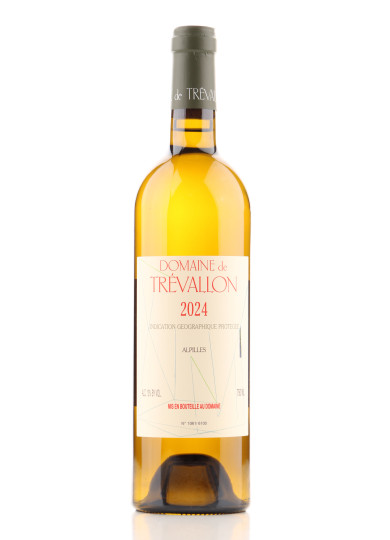
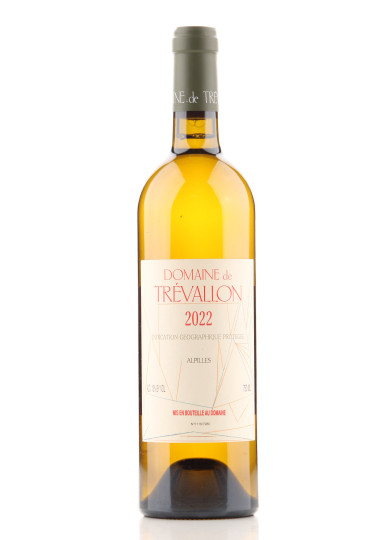
The selection includes the IGP Alpilles Blanc 2020, 2021, 2022 and 2024. These four vintages provide a starting point for comparing the estate’s white wines, although the information provided does not allow them to be ranked by maturity or style.

Does this selection allow me to compare several Trévallon appellations?

No, all five wines are from the IGP Alpilles and come from the same estate. The choice is therefore between the 2013 red and four white vintages, rather than between different appellations.
Notes Parker

Le barème établi par Robert Parker évalue les vins sur une échelle allant de 50 à 100 points afin d’aider les consommateurs à choisir leurs bouteilles. La grille de notation est la suivante :


96 à 100 Une cuvée grandiose : niveau exceptionnel.

90 à 95 Belle complexité aromatique, bel équilibre : niveau excellent.

80 à 89 Grande intensité aromatique, finesse et équilibre : bon niveau.

70 à 79 Plaisant, peu de complexité : niveau moyen.

60 à 69 Quelques défauts perceptibles : niveau très moyen.

50 à 59 Détection de défauts, manque d'équilibre : niveau acceptable.