

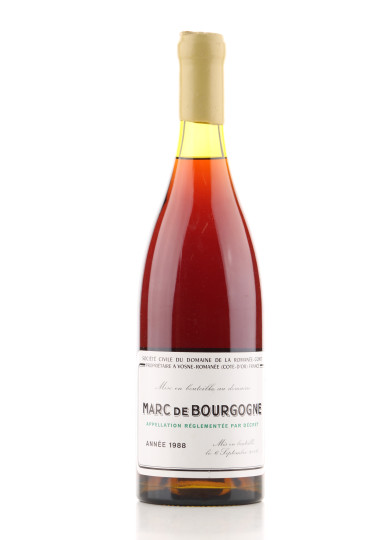
1 item in stock
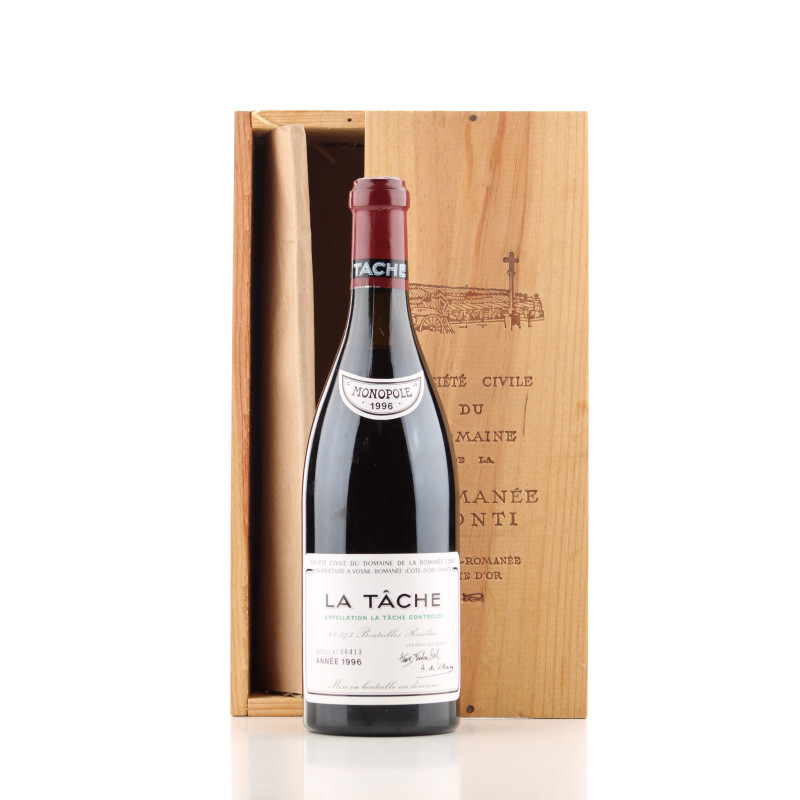

Une robe rubis profonde et sombre, arborant de superbes reflets tuilés et acajou sur le disque, d'une limpidité et d'une intensité remarquable pour son âge, témoignant de sa concentration originelle.

D'une prodigieuse complexité et d'une envoûtante profondeur. Le bouquet, en perpétuelle évolution dans le verre, libère des notes de fruits noirs et rouges mûrs (griotte, cassis confit), rapidement transfigurées par des arômes tertiaires de sous-bois humide, de truffe noire, de ronce, de rose fanée, de tabac blond, d'épices orientales et d'un boisé noble totalement fondu.

L'attaque est d'une soyeusité absolue, unissant une chair somptueuse et opulente à une ossature minérale et acide d'une fraicheur magistrale. Le milieu de bouche impressionne par son toucher de dentelle et sa puissance contenue, déployant des saveurs d'une persistance aromatique littéralement interminable, marquée par la noblesse du terroir et le raffinement de l'élevage.

Sommet absolu de la gastronomie, ce vin d'exception appelle des mets d'une pure élégance : un pigeonnier rôti aux truffes, un filet de chevreuil sauce grand veneur, un carré d'agneau de lait en croûte d'herbes ou un filet de bœuf Rossini. Côté fromages, mariez-le avec un Brillat-Savarin truffé ou un vieux comté d'exception.

Ce millésime 1996 offre une émotion de dégustation inoubliable aujourd'hui tout en conservant, de par sa structure hors norme, une capacité de garde encore immense en cave.






Ban on the sale of alcoholic beverages to minors under 18 years of age
Proof of majority of the buyer is required at the time of online sale
Le barème établi par Robert Parker évalue les vins sur une échelle allant de 50 à 100 points afin d’aider les consommateurs à choisir leurs bouteilles. La grille de notation est la suivante :
96 à 100 Une cuvée grandiose : niveau exceptionnel.
90 à 95 Belle complexité aromatique, bel équilibre : niveau excellent.
80 à 89 Grande intensité aromatique, finesse et équilibre : bon niveau.
70 à 79 Plaisant, peu de complexité : niveau moyen.
60 à 69 Quelques défauts perceptibles : niveau très moyen.
50 à 59 Détection de défauts, manque d'équilibre : niveau acceptable.