

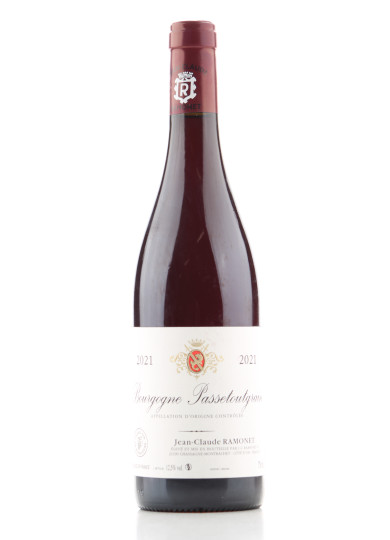
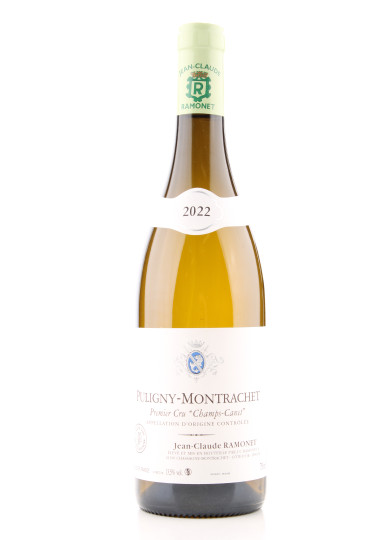
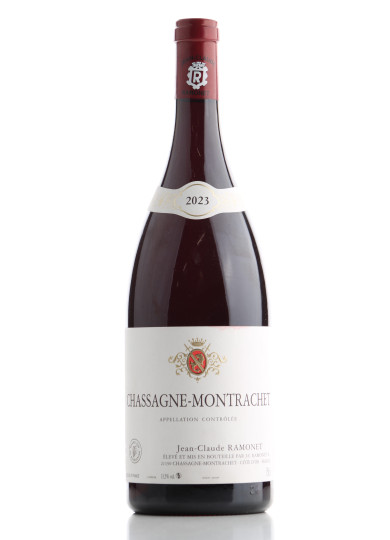
Jean-Claude Ramonet: Exceptional Burgundy Wines
5 products
3 items in stock
1 item in stock
1 item in stock
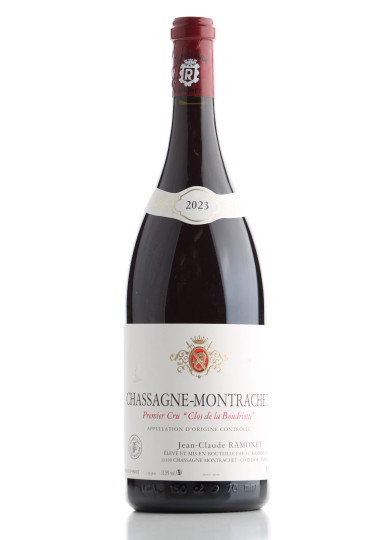
MAGNUM CHASSAGNE MONTRACHET 1ER CRU LA BOUDRIOTTE 2023 RAMONET
2023
|
150 cl
JEAN CLAUDE RAMONET
€170.83
-€16.66
€154.17
Discover Jean-Claude Ramonet
The Jean-Claude Ramonet estate, located in Chassagne-Montrachet, is a living legend of Burgundy, globally recognized as one of the finest interpreters of Chardonnay. Jean-Claude and his brother Noël have structured their activities to uphold the family’s legacy of excellence. The estate holds an exceptional vineyard heritage on the most coveted terroirs of the Côte de Beaune, featuring the iconic Montrachet Grand Cru, Bâtard-Montrachet, and Bienvenues-Bâtard-Montrachet.
Terroir and Characteristics
The unique terroir of Chassagne-Montrachet boasts rich clay-limestone soils, ideal for high-quality wine production. Premier Crus such as Les Ruchottes, Les Caillerets, and La Boudriotte, both white and red wines, fully express the finesse and typicity of Burgundy’s emblematic grape varieties, especially Pinot Noir and Chardonnay. The estate’s expertise is marked by a constant pursuit of balance and terroir expression.
Wine Profile
Jean-Claude Ramonet wines stand out for their phenomenal aromatic intensity, creamy texture, and striking saline minerality. These Grand Crus have exceptional aging potential, developing rare aromatic complexity over time. Purity, power, and grace define this timeless classic signature.
Food Pairings
These wines pair perfectly with delicate foie gras, roasted lobster, refined Époisses cheese, or cream-sauced poultry. Such pairings enhance the structure and elegance of the estate’s wines.
Our Jean-Claude Ramonet Selection
Discover an exclusive selection of Jean-Claude Ramonet wines on achetezduvin.fr. Benefit from fast delivery, a carefully curated cellar, and expert advice from our sommeliers to enrich your wine collection.
Afficher plus
Afficher moins

Wines selected
by our experts

Order and pay
securely

100% of the wines
in stock

Free delivery
from 250€ in France

Your favorite wines
at your fingertips

Ban on the sale of alcoholic beverages to minors under 18 years of age
Proof of majority of the buyer is required at the time of online sale
Le barème établi par Robert Parker évalue les vins sur une échelle allant de 50 à 100 points afin d’aider les consommateurs à choisir leurs bouteilles. La grille de notation est la suivante :
96 à 100 Une cuvée grandiose : niveau exceptionnel.
90 à 95 Belle complexité aromatique, bel équilibre : niveau excellent.
80 à 89 Grande intensité aromatique, finesse et équilibre : bon niveau.
70 à 79 Plaisant, peu de complexité : niveau moyen.
60 à 69 Quelques défauts perceptibles : niveau très moyen.
50 à 59 Détection de défauts, manque d'équilibre : niveau acceptable.