Free delivery from 250€ for France
Filter by
Region
Domain
Designation
Vintage
Format
Color
Price
€ €
Filter

FREQUENTLY ASKED QUESTIONS

Which white wine should I choose for a first introduction to Richard Delay without opting for a named cuvée?

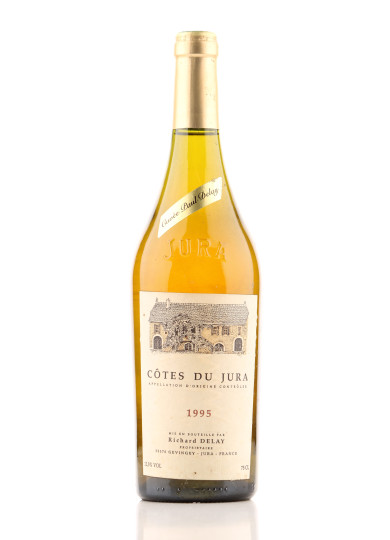
The 1995 Côtes du Jura white is a straightforward reference point: its name does not include either Gustave or Paul Delay. However, this does not allow you to infer its grape variety or flavour profile, as these are not specified.

Which cuvée names should I look for among Richard Delay’s white wines?

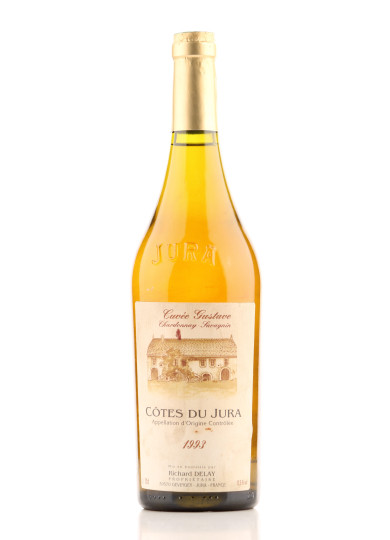
The range includes Cuvée Gustave, Cuvée Paul Delay and Côtes du Jura wines without a cuvée name. Gustave appears across several vintages, while Paul Delay is represented here by a 1994 white; the information provided does not specify differences in their blends or ageing.

Which Richard Delay wine should I choose to explore Poulsard?

The 1990 Côtes du Jura Poulsard is explicitly identified as a red Poulsard. It is therefore the most direct reference point for finding this grape variety in the selection, without making assumptions about its current condition or tasting style.

Which Richard Delay white wine should I choose to celebrate the 2005 vintage?

Cuvée Gustave 2005 fits the search for an anniversary vintage. It is a Côtes du Jura white in a 75 cl bottle; the vintage alone is not enough to guarantee how it has evolved or whether it is suitable for further ageing.

Do the different Richard Delay cuvées belong to several appellations?

No, all 14 wines in this category belong to the Côtes du Jura appellation. The choice is therefore between colours, cuvée names and vintages, rather than between several Jura appellations.
Notes Parker

Le barème établi par Robert Parker évalue les vins sur une échelle allant de 50 à 100 points afin d’aider les consommateurs à choisir leurs bouteilles. La grille de notation est la suivante :


96 à 100 Une cuvée grandiose : niveau exceptionnel.

90 à 95 Belle complexité aromatique, bel équilibre : niveau excellent.

80 à 89 Grande intensité aromatique, finesse et équilibre : bon niveau.

70 à 79 Plaisant, peu de complexité : niveau moyen.

60 à 69 Quelques défauts perceptibles : niveau très moyen.

50 à 59 Détection de défauts, manque d'équilibre : niveau acceptable.