

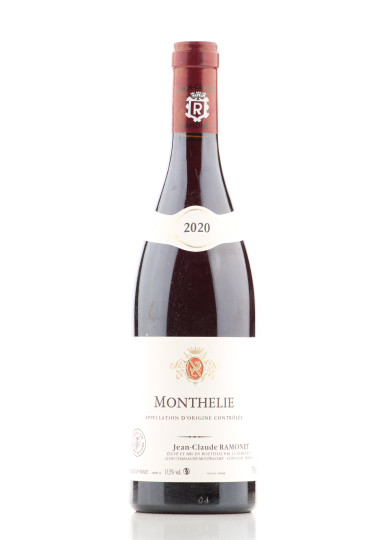
Domaine Ramonet: Legendary Grand Cru Wines from Burgundy
6 products
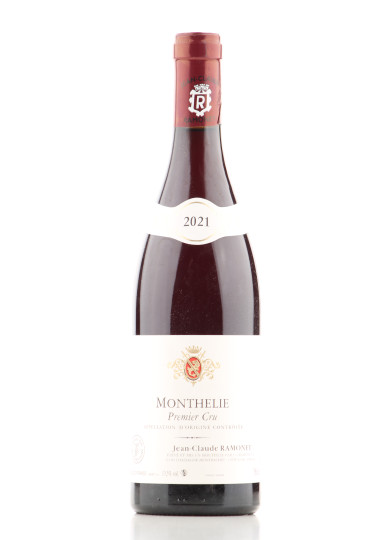
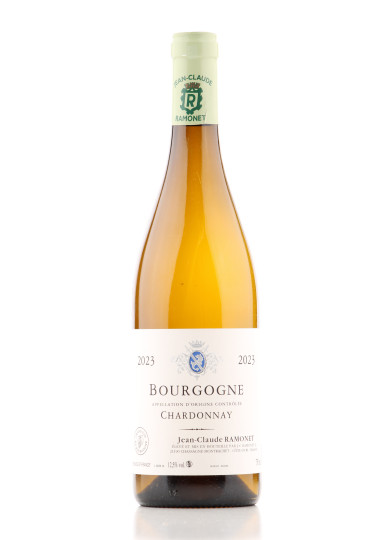
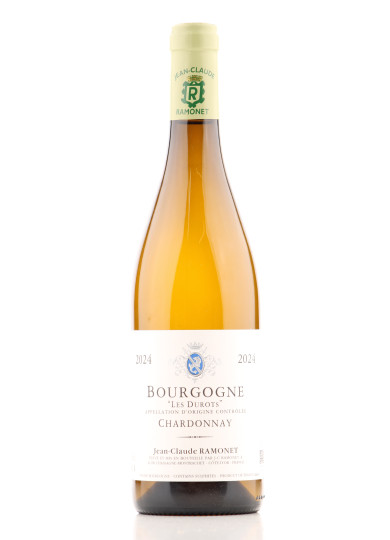
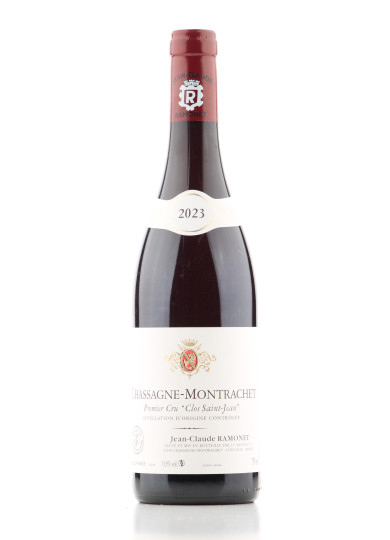
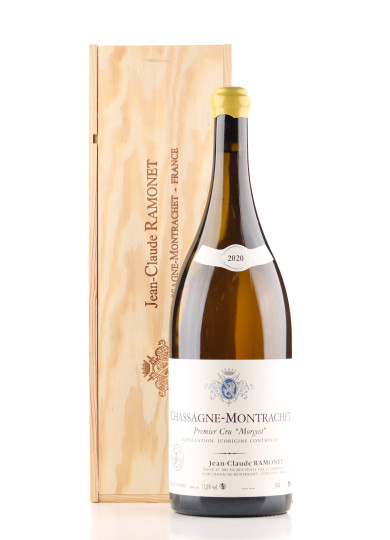
Discover Domaine Ramonet
Domaine Ramonet, located in Chassagne-Montrachet, is one of the absolute legends of Burgundy. Globally renowned for producing some of the world's finest white wines, this family estate was founded by Pierre Ramonet in the 1920s and is now led by Noël and Jean-Claude Ramonet, who uphold a rare legacy of excellence and expertise.
Terroir and Characteristics
The exceptional terroir of Domaine Ramonet includes iconic parcels within the Grand Cru vineyards of Montrachet, Chevalier-Montrachet, and Bâtard-Montrachet. Renowned Premier Cru sites such as Les Ruchottes and Les Caillerets in Chassagne-Montrachet further contribute to the estate's distinctive profile. The vineyards mainly cultivate the emblematic Chardonnay grape on argillo-calcareous soils with rich mineral inclusions, promoting precise ripening and perfect balance.
Wine Profile
Domaine Ramonet whites are known for their phenomenal aromatic intensity, a texture that is at once rich and airy, and an extraordinary mineral persistence. This unique style reflects the pure expression of the Burgundy terroir. Besides its exceptional whites, the estate also produces refined red wines from Chassagne-Montrachet that captivate with their finesse and elegance while offering impressive aging potential.
Food Pairings
The wines of Domaine Ramonet are perfect companions for refined dishes such as:
- Soft and pungent Époisses cheese, typical of the region
- Aged Comté cheese with great length
- Delicate seafood like scallops
- Creamy poultry dishes that enhance the richness of the wine
Our Domaine Ramonet Selection
Explore our exclusive selection of Domaine Ramonet wines at achetezduvin.fr, offering fast and careful delivery. Our sommeliers have meticulously selected each bottle to enrich your cellar with Burgundian treasures boasting legendary aging potential.
Afficher plus
Afficher moins

Wines selected
by our experts

Order and pay
securely

100% of the wines
in stock

Free delivery
from 250€ in France

Your favorite wines
at your fingertips

Ban on the sale of alcoholic beverages to minors under 18 years of age
Proof of majority of the buyer is required at the time of online sale
Le barème établi par Robert Parker évalue les vins sur une échelle allant de 50 à 100 points afin d’aider les consommateurs à choisir leurs bouteilles. La grille de notation est la suivante :
96 à 100 Une cuvée grandiose : niveau exceptionnel.
90 à 95 Belle complexité aromatique, bel équilibre : niveau excellent.
80 à 89 Grande intensité aromatique, finesse et équilibre : bon niveau.
70 à 79 Plaisant, peu de complexité : niveau moyen.
60 à 69 Quelques défauts perceptibles : niveau très moyen.
50 à 59 Détection de défauts, manque d'équilibre : niveau acceptable.