


Le gin sab's
€39.00
Pot
50 cl
Tasting

To the eye
A perfectly clear, crystalline and brilliant colour. When the glass is swirled, the gin reveals a lovely viscosity (its ‘body’) which is a testament to the quality of the distillation.

Nose
A subtle and refined balance. The juniper is present but does not overpower the other flavours. There are notes of fresh citrus (lemon, grapefruit) blended with delicate floral hints (vine blossom, rose). A hint of mild spices and a herbaceous nuance round off this complex bouquet.

Palate
The attack is supple and beautifully rounded, almost silky. It is a far cry from the harshness of some mass-produced gins. The mid-palate reveals a lovely structure with aromas of fresh juniper berries, followed by the rich flavour of grapes. The finish is fresh and lingering, with a slight citrus bitterness that invites you to take another sip.

Pairing
Served neat: To appreciate its texture, serve it slightly chilled in a tasting glass.
Gin & Tonic: Pair with a neutral, premium tonic (such as Fever-Tree Indian) to allow the botanicals to shine through, garnished with a twist of lemon or a juniper berry.
Food pairing: Surprisingly delicious with a scallop carpaccio or oysters, where its salty and lemony notes work a treat.

Aging potential
Like all distilled white spirits, it can be kept indefinitely away from light, with the bottle stored upright. It does not oxidise, but its most volatile floral aromas are at their peak within 2 to 3 years of opening.
Features
- Region Burgundy
- Format Pot
- Domain SAB'S
- Capacity 50 cl
These products might interest you
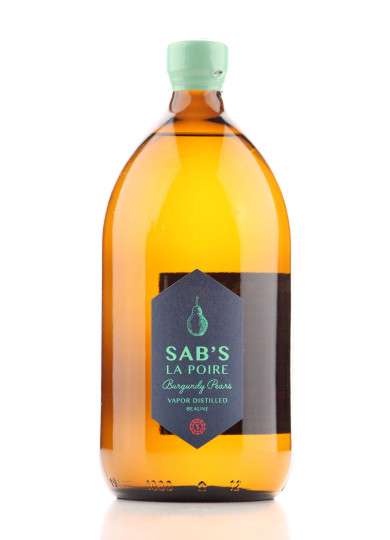
2 items in stock
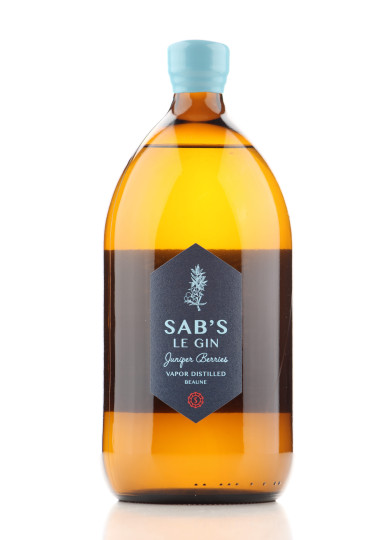
2 items in stock

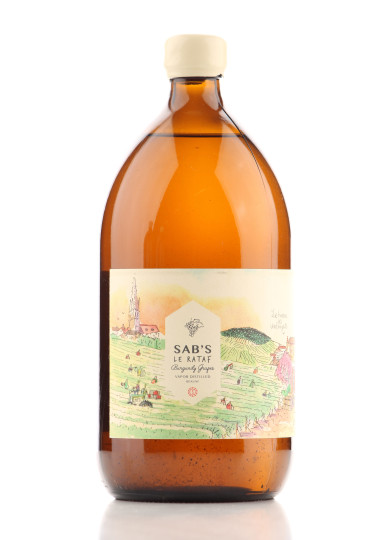
2 items in stock

Wines selected
by our experts

Order and pay
securely

100% of the wines
in stock

Free delivery
from 250€ in France

Your favorite wines
at your fingertips

Ban on the sale of alcoholic beverages to minors under 18 years of age
Proof of majority of the buyer is required at the time of online sale
Le barème établi par Robert Parker évalue les vins sur une échelle allant de 50 à 100 points afin d’aider les consommateurs à choisir leurs bouteilles. La grille de notation est la suivante :
96 à 100 Une cuvée grandiose : niveau exceptionnel.
90 à 95 Belle complexité aromatique, bel équilibre : niveau excellent.
80 à 89 Grande intensité aromatique, finesse et équilibre : bon niveau.
70 à 79 Plaisant, peu de complexité : niveau moyen.
60 à 69 Quelques défauts perceptibles : niveau très moyen.
50 à 59 Détection de défauts, manque d'équilibre : niveau acceptable.